Furnace Flame Sensor: What It Does, Signs It Is Dirty, How to Clean It, and What Replacement Costs
A furnace flame sensor is a part most homeowners never hear about until the heat starts shutting off a few seconds after it lights. The burners fire, you hear the whoosh, and then everything goes quiet. A minute later, the furnace tries again. In most cases, that pattern points to one small metal rod that costs less than a pizza.
This guide explains what the sensor does, where to find it, the signs that it is dirty, how to clean it safely, and what replacement costs in 2026. Comfort Pros cleans and replaces flame sensors across Brevard, Hendersonville, Asheville, and the rest of Western North Carolina every fall, so the steps and prices below come from real service calls.
What a Furnace Flame Sensor Does
The flame sensor is a safety device. Its only job is to confirm that the burners actually lit after the gas valve opened. Without that check, unburned gas could pour into the furnace and your home. Therefore, the furnace needs proof of fire within a few seconds.
The sensor provides that proof with a tiny electrical current. When flame touches the metal rod, a small current passes through the flame and back to the control board. The board reads that signal in microamps. If the signal is strong, the gas stays on. However, if the signal is weak or missing, the board closes the gas valve within three to seven seconds.
As a result, a sensor that cannot detect the flame will shut down a furnace that is otherwise working perfectly.
Where Is the Flame Sensor on a Furnace?
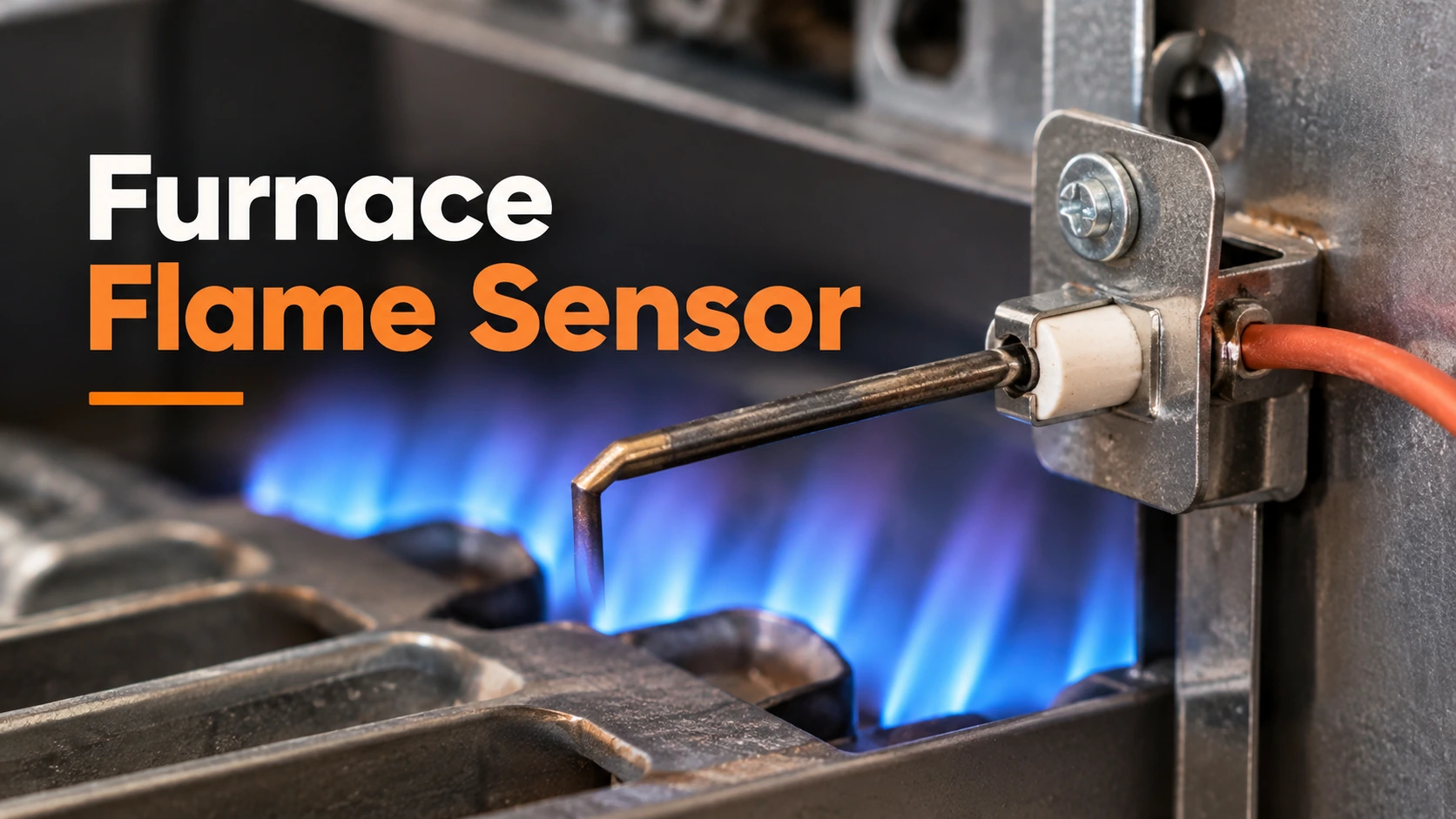
Turn off the power and remove the upper furnace door. Inside, you will see a row of burners. The igniter sits at one end of that row. The flame sensor usually sits at the opposite end, in front of the last burner.
Look for a thin metal rod, often bent at an angle, with a white or tan porcelain base. One screw holds it in place, and a single wire runs from it to the control board. In contrast, the igniter has two wires and a flat gray or black tip. That difference is the easiest way to tell the two apart.
6 Signs of a Dirty or Failing Furnace Flame Sensor
A bad sensor creates a very specific set of symptoms. Look for these.
1. The burners light, then shut off within seconds. This is the classic sign. The furnace ignites, runs for three to ten seconds, and goes out.
2. The furnace tries three times, then stops. Many control boards allow three failed attempts. After that, the furnace locks out for an hour or more. Our guide on a furnace not turning on covers how to reset a lockout.
3. The heat cycles on and off all day. A weak signal can hold the flame for a minute or two and then drop out. That pattern looks like short cycling, which we explain in our post on why a furnace keeps turning on and off.
4. The blower runs, but the air turns cool. The fan keeps moving air after the burners quit, so the vents blow lukewarm air.
5. The rod looks dark, chalky, or sooty. A clean sensor is shiny metal. In contrast, a dirty one has a gray, white, or black coating.
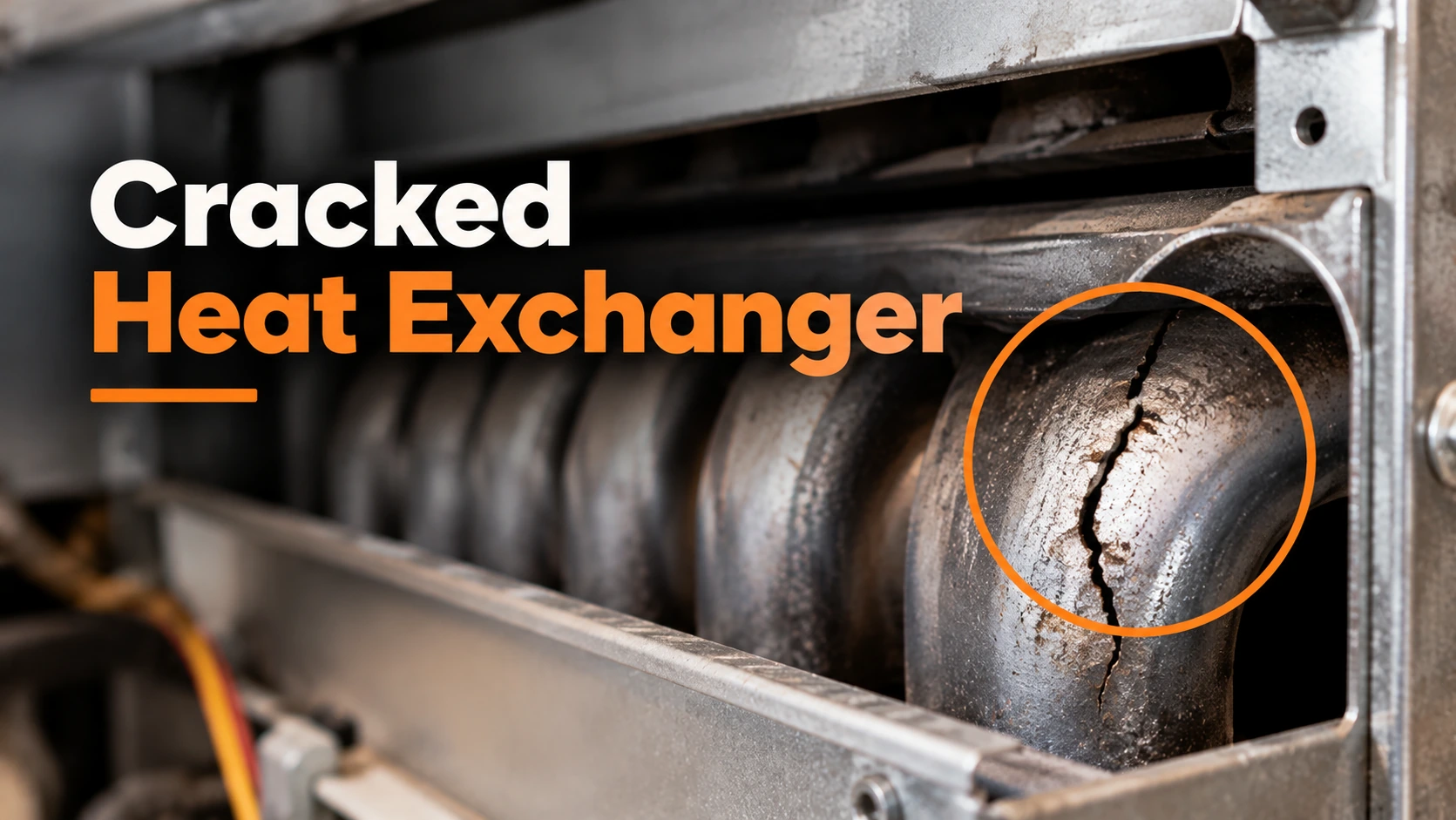
6. The porcelain base is cracked. A crack lets the signal leak to ground. In that case, cleaning will not help, and the sensor needs replacement.
In addition, many furnaces flash an error code through a small window in the lower door. The legend inside the door often lists a flame sense or flame loss code.
Why Flame Sensors Get Dirty
The rod sits directly in the burner flame for hours every day. Over time, carbon from combustion bakes onto the metal. Dust, pet hair, drywall dust, and laundry lint in the air add to the coating. Because the signal is so small, even a thin film is enough to block it.
Furnaces in crawl spaces, basements, and laundry rooms get dirty faster, and many Western North Carolina homes have exactly that setup. Also, a furnace that sat idle all summer in a humid crawl space often develops light corrosion on the rod. That is why flame sensor calls spike during the first cold weeks of October and November.
How to Clean a Furnace Flame Sensor
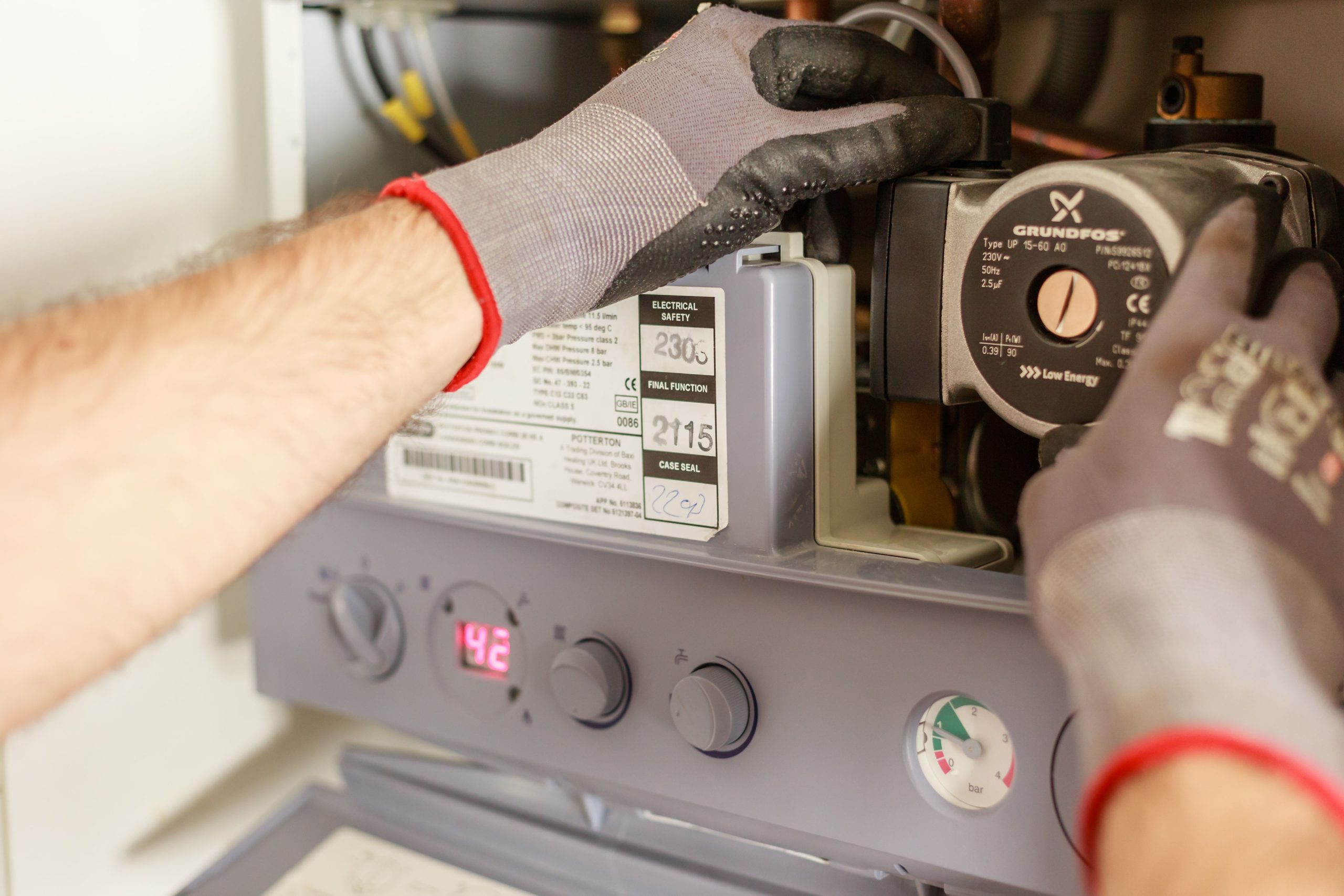
Cleaning a furnace flame sensor is one of the few furnace repairs a careful homeowner can do. It takes about fifteen minutes. However, if you are not comfortable working inside a gas appliance, stop here and call a technician.
Step 1. Shut off the power and gas. Turn off the furnace switch or breaker. Then turn the gas valve handle so it sits across the pipe.
Step 2. Remove the sensor. Take off the upper door. Next, remove the single screw that holds the sensor, usually a quarter inch hex head. Slide the rod out gently, and leave the wire attached if it reaches.
Step 3. Clean the metal rod. Rub the rod lightly with fine steel wool or a soft abrasive pad until it shines. A crisp dollar bill also works for light buildup. However, avoid coarse sandpaper, because deep scratches collect carbon faster. Do not scrub the porcelain.
Step 4. Wipe and reinstall. Wipe the rod with a clean, dry cloth. Then slide it back into place, tighten the screw, and confirm the wire is snug.
Step 5. Restore power and test. Open the gas valve, replace the door, and turn the power on. Finally, raise the thermostat and watch a full cycle. The burners should stay lit until the house reaches temperature.
If the furnace still drops out after a cleaning, the sensor is not the only problem.
How to Test a Flame Sensor
A technician tests the sensor with a multimeter set to read microamps. The meter goes in line with the sensor wire while the burners run. Most furnaces want a steady reading between two and six microamps. A reading below one usually triggers a shutdown.
This test matters because it shows whether the rod is the real cause. For example, a clean sensor with a low reading points to a problem somewhere else. Our system diagnostics visit includes this reading, so you do not pay for a part you did not need.
When the Flame Sensor Is Not the Problem
Several other faults copy the same symptom. Therefore, a new sensor does not always solve it.
A poor ground is the most common one. The flame signal needs a clean path from the burners back to the control board, and rust on the burner assembly interrupts it. Dirty burners cause trouble as well, because the flame at the last burner lifts away from the rod. Low gas pressure does the same thing.
Finally, a failing control board may stop reading a good signal. Because these causes overlap, a furnace that keeps dropping out after a cleaning needs a full check instead of more parts.
Furnace Flame Sensor Replacement Cost
Flame sensor repairs are among the least expensive furnace fixes.
A professional cleaning runs $80 to $200, depending on the service call fee in your area. Furnace flame sensor replacement costs $90 to $300 installed. The part itself is cheap. A universal sensor costs $10 to $40, and a brand specific sensor for a Goodman, Lennox, Carrier, Rheem, or Trane furnace runs $20 to $90.
Therefore, most of the bill covers the visit and the testing, not the rod. At Comfort Pros, the diagnostic fee is $125, and it is waived when we complete the repair. Our heating repair page lists the other furnace problems we handle on the same visit.
Flame Sensor, Igniter, or Thermocouple?
Homeowners often mix up these three parts, and the difference changes the repair.
The igniter lights the gas. If it fails, the burners never light at all. The flame sensor confirms the flame after ignition. If it fails, the burners light and then go out. A thermocouple does a similar safety job, but only on older furnaces with a standing pilot light.
So, if you see flame for a few seconds, look at the sensor first. If you never see flame, look at the igniter or the gas supply instead.
How to Keep a Furnace Flame Sensor Clean
Three habits prevent most sensor problems. First, change the air filter every one to three months, because less dust in the cabinet means less buildup on the rod. Second, keep the area around the furnace clear of lint, paint fumes, and stored chemicals. Third, schedule a tune-up every fall.
During that visit, a technician cleans the sensor, checks the microamp reading, inspects the burners, and tests the full starting cycle. The ENERGY STAR maintenance checklist recommends the same yearly check of burner combustion and system controls before heating season. Our HVAC maintenance visits cover all of it. In addition, our post on whether a maintenance plan is worth it shows how the $199 plan compares to a single repair call.
Frequently Asked Questions About a Furnace Flame Sensor
Can a furnace run without a flame sensor?
No. The control board will not keep the gas valve open without a flame signal. Never bypass the sensor, because it is the part that keeps raw gas from filling the furnace.
How long does a furnace flame sensor last?
Most sensors last five to ten years, and many last the life of the furnace with yearly cleaning. However, replace the sensor if the porcelain is cracked, the rod is pitted, or cleaning no longer restores a steady flame.
How often should a flame sensor be cleaned?
Once a year, before heating season. Furnaces in dusty crawl spaces, garages, or laundry rooms sometimes need it twice.
How do I reset a furnace flame sensor?
The sensor itself has no reset button. Instead, reset the furnace by turning the power switch off for 30 seconds and back on. If the burners still drop out, clean or replace the sensor.
Is a flame sensor the same as a thermocouple?
No. Both prove that a flame exists, but a thermocouple works with a standing pilot light on older furnaces. A flame sensor works with electronic ignition on modern furnaces.
Why does my flame sensor keep getting dirty?
Frequent buildup usually means dirty burners, poor combustion, or a dusty furnace location. Therefore, a sensor that needs cleaning every few weeks is a sign to have the burners and gas pressure checked.
Heat Shutting Off After a Few Seconds? We Can Help
A dirty flame sensor is a small problem, and it is usually a fast fix. Comfort Pros serves Brevard, Hendersonville, Asheville, and the surrounding mountain communities Monday to Friday, 8:00am to 5:00pm, with a flat $125 diagnostic that is waived when we complete the repair.
Contact us or call (828) 393-0024, and we will clean, test, or replace the sensor before the next cold night.
Related Post