Cracked Heat Exchanger: 8 Warning Signs, the Carbon Monoxide Risk, and What Replacement Costs
A cracked heat exchanger is the furnace diagnosis that worries homeowners most, and for good reason. It is the one furnace problem that can put carbon monoxide into the air your family breathes. It is also one of the most expensive repairs, so a technician who says those three words is often quoting a new furnace a few minutes later.
This guide explains what the heat exchanger does, why it cracks, the warning signs, how to confirm the diagnosis, and what the repair costs in 2026. Comfort Pros inspects gas and propane furnaces across Brevard, Hendersonville, Asheville, and the rest of Western North Carolina, so the advice below reflects what we see in real homes.
What Is a Heat Exchanger in a Furnace?
The heat exchanger is a set of metal tubes or chambers that sits just above the burners. Burning gas heats the inside of that metal. Meanwhile, the blower pushes household air across the outside. The metal passes the heat to the air, and the air travels through the ducts to your rooms.
The important part is the separation. Combustion gases stay inside the metal and leave through the flue. The air you breathe stays outside the metal. Therefore, the two never mix in a healthy furnace.
A crack or hole breaks that barrier. As a result, combustion gases, including carbon monoxide, can slip into the air stream that feeds every vent in the house.
What Causes a Cracked Heat Exchanger?
The metal expands every time the furnace heats up and contracts every time it cools down. After thousands of cycles, that stress adds up. However, certain conditions speed up the damage.
Overheating from poor airflow. This is the leading cause. A clogged filter, closed vents, or a weak blower leaves too little air to carry the heat away. The metal then runs far hotter than its design allows.
Short cycling. A furnace that starts and stops every few minutes goes through many more expansion cycles each day. Our post on why a furnace keeps turning on and off explains the causes.
An oversized furnace. A furnace that is too large heats the metal fast and shuts off early. That pattern repeats all winter.
Age. Most heat exchangers last 15 to 20 years. After that, metal fatigue becomes likely even with good care.
Corrosion. Moisture, combustion byproducts, and chemical fumes from stored cleaners or paint eat at the metal. In addition, furnaces in damp crawl spaces, which are common across Western North Carolina, rust faster than furnaces in dry rooms.
8 Cracked Heat Exchanger Symptoms
You cannot see most of the heat exchanger without taking the furnace apart. However, the furnace often gives clues.
1. Your carbon monoxide alarm sounds. Treat every alarm as real. Leave the house first, and ask questions later.
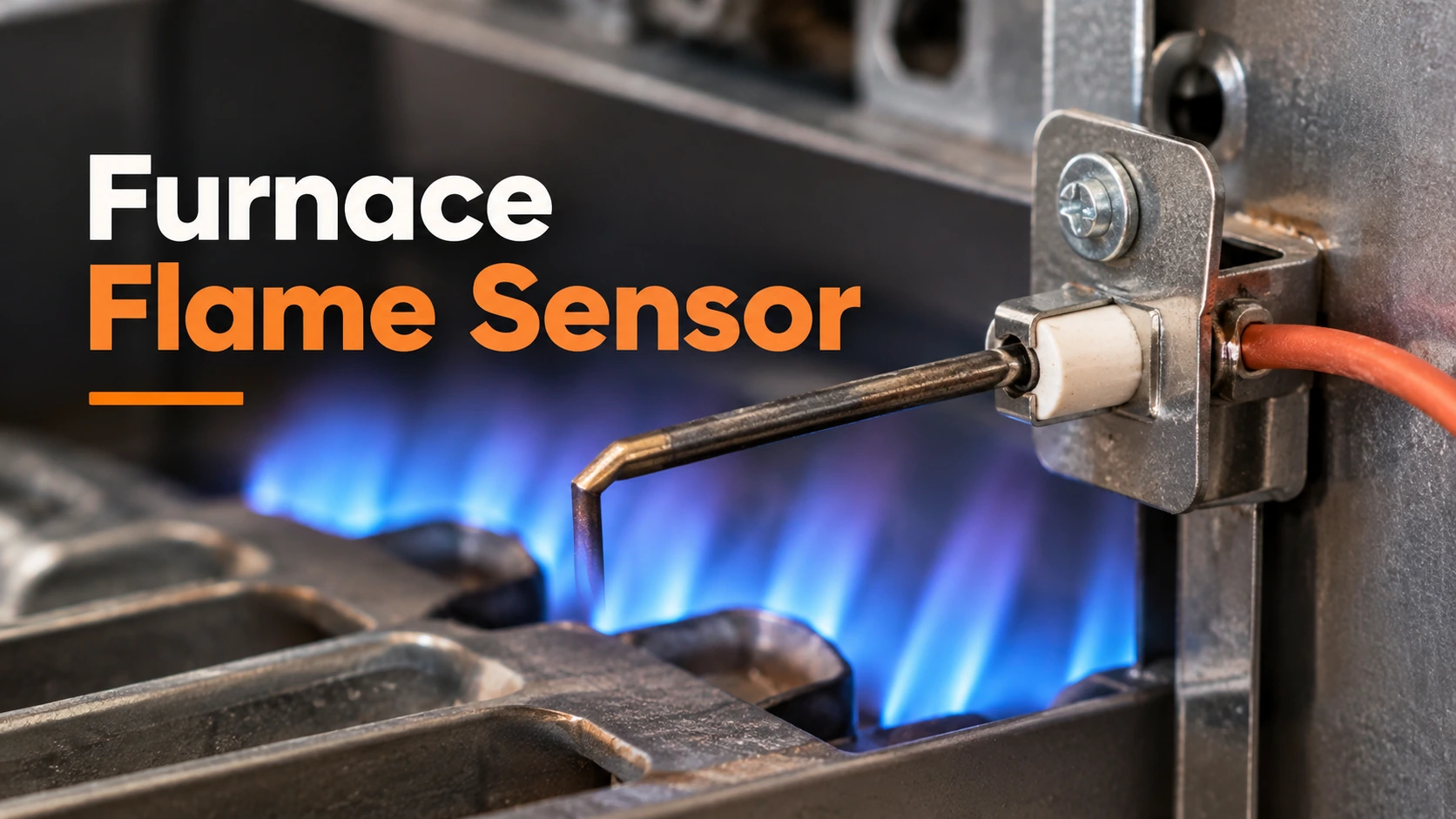
2. The burner flame is yellow or flickers. A healthy flame is steady and blue. Also, watch what happens when the blower starts. If the flame dances or leans at that moment, air may be leaking through the metal.
3. Soot appears inside the furnace. Black buildup around the burners points to poor combustion.
4. You see rust, corrosion, or visible cracks. Rust streaks on the outside often mean more damage inside.
5. A sharp chemical smell comes from the vents. Some homeowners compare it to formaldehyde.
6. The furnace rattles, pops, or bangs as it heats up. Cracked metal moves as it expands.
7. Water collects at the base of the furnace. On a high efficiency furnace, a leaking secondary heat exchanger can drip condensate.
8. People feel sick only at home. Headaches, dizziness, nausea, and tiredness that fade when you leave the house are a serious warning.
None of these signs proves a crack on its own. For example, a yellow flame can also come from dirty burners. Still, every one of them deserves an inspection.
Is a Cracked Heat Exchanger Dangerous?
Yes, it can be. Carbon monoxide has no color and no smell, so you cannot detect it without an alarm. The CDC's carbon monoxide poisoning basics lists headache, dizziness, weakness, upset stomach, vomiting, chest pain, and confusion as the most common symptoms. It also notes that people who are asleep can die before they notice any symptoms.
Not every crack leaks a dangerous amount. Even so, cracks grow, and there is no safe way to predict how fast. For that reason, technicians shut down a furnace with a confirmed crack, and you should not run it until it is repaired or replaced.
What to Do If You Suspect a Cracked Heat Exchanger
First, if the carbon monoxide alarm is sounding or anyone feels sick, get everyone outside and call 911.
Otherwise, follow these steps. Turn the furnace off at the thermostat. Next, switch off the furnace power and close the gas valve. Then open a few windows and confirm that your carbon monoxide alarms work. Finally, schedule a professional inspection before you run the furnace again.
In the meantime, use electric space heaters with care. Keep them three feet from anything that burns, and never heat the house with a gas oven.
How Technicians Confirm a Cracked Heat Exchanger
A proper diagnosis involves more than a glance. First, the technician looks at the metal with a mirror or an inspection camera. Next, a combustion analyzer measures the gases in the flue while the furnace runs. Then the technician watches the flame as the blower starts and tests the supply air for carbon monoxide.
So, ask to see the evidence. A reputable technician will show you the photo, the video, or the meter reading without hesitation. Our system diagnostics visit documents every finding for that reason.
Is a Cracked Heat Exchanger a Scam?
The danger is real. However, the diagnosis is sometimes used as a sales tactic, which is why so many homeowners search for the cracked heat exchanger myth. A few simple steps protect you.
Ask to see the crack or the test results in person. Also, check your warranty before you agree to anything. In addition, be cautious if the visit jumps straight to a same day replacement quote with no proof. If you still have doubts, get a second opinion and leave the furnace off while you wait.
In short, an honest company expects these questions and answers them calmly.
Can You Repair a Cracked Heat Exchanger?
No. Welding or patching the metal is not an approved repair, because the fix fails under constant heating and cooling. Therefore, you have two real options. You can replace the heat exchanger, or you can replace the furnace.
Furnace Heat Exchanger Replacement Cost
The cost of furnace heat exchanger replacement runs $1,500 to $3,500 when the part is out of warranty. The part alone costs $500 to $2,000, depending on the brand and the furnace size. Labor adds $500 to $1,500, because the technician has to take apart most of the furnace. The job usually takes four to eight hours.
However, check your paperwork first. Many manufacturers cover the heat exchanger for 20 years or for the life of the furnace. If the warranty applies, you pay only the labor.
For comparison, a new gas furnace costs $3,500 to $7,500 installed. At Comfort Pros, the inspection starts with a $125 diagnostic, which is waived when we complete the repair.
Replace the Heat Exchanger or the Whole Furnace?
Age and warranty decide most cases.
If the furnace is under 10 years old and the part is covered, replace the heat exchanger. You pay for labor and keep a fairly young furnace.
If the furnace is 15 years old or more, replacement usually makes more sense. The repair can cost half the price of a new furnace, and the other parts are near the end of their life too. Our guide on how long HVAC systems last covers the other signs to weigh.
Between 10 and 15 years, compare the numbers side by side. If a new system is the better choice, our heating installation team sizes it correctly, and financing can spread out the cost.
How to Prevent a Cracked Heat Exchanger
You cannot stop metal from aging. However, you can remove the conditions that crack it early.
First, change the air filter every one to three months. Second, keep supply and return vents open, even in rooms you rarely use. Third, store paint, bleach, and solvents away from the furnace. Finally, schedule a tune-up every fall. During our HVAC maintenance visits, a technician inspects the heat exchanger, checks the burner flame, and confirms proper airflow before the cold weather arrives.
Frequently Asked Questions About a Cracked Heat Exchanger
Can I run my furnace with a cracked heat exchanger?
No. Leave it off until it is repaired or replaced. A small crack can widen quickly, and carbon monoxide gives no warning.
How long does a furnace heat exchanger last?
Most last 15 to 20 years. Good airflow and yearly maintenance help them reach the high end of that range.
What does a cracked heat exchanger look like?
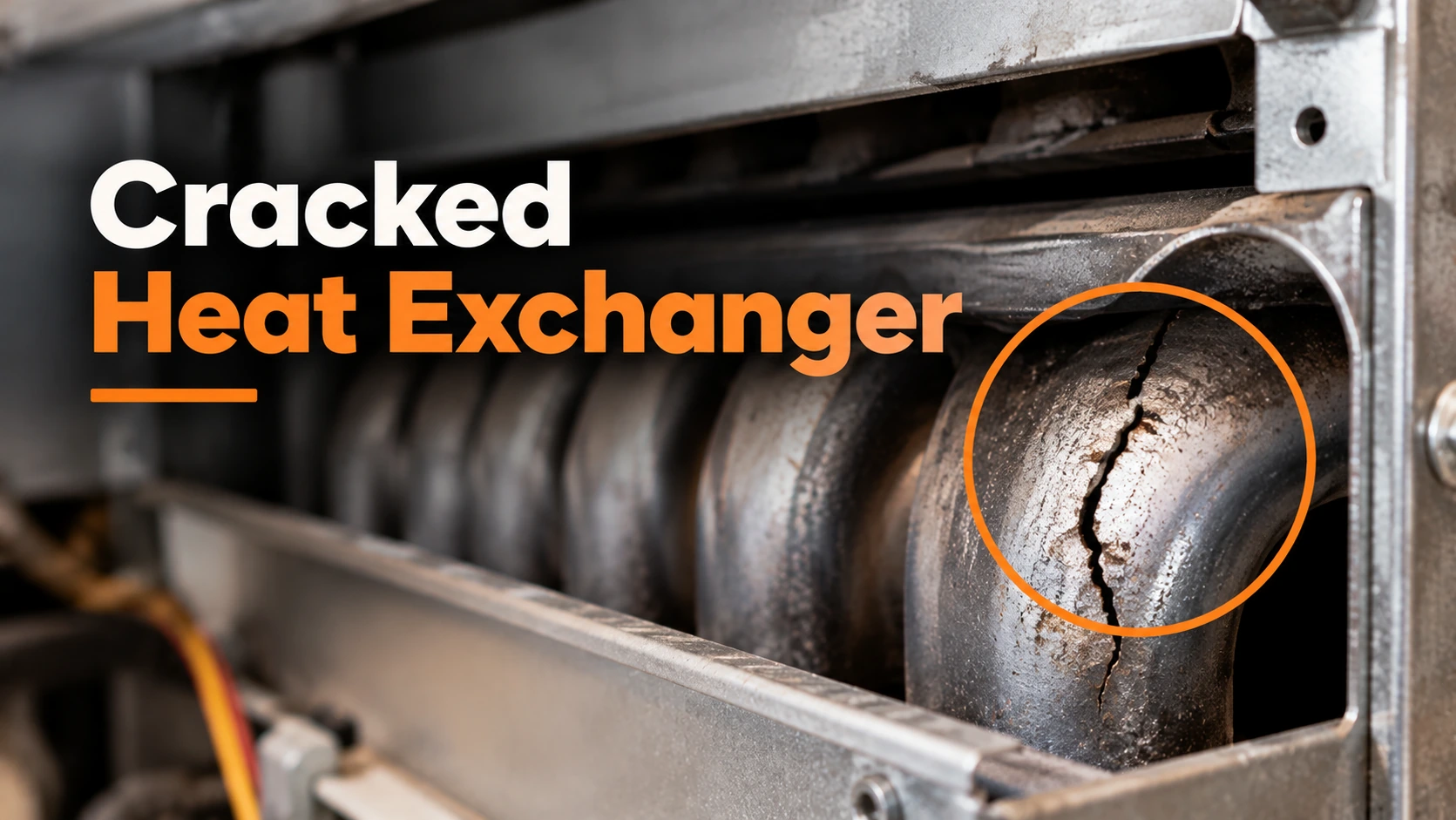
Most cracks are thin, dark lines along a seam or a bend in the metal. Many are hairline cracks that open only when the metal is hot, so a camera inspection is often needed.
Will a carbon monoxide detector catch a cracked heat exchanger?
Sometimes. An alarm sounds only when carbon monoxide reaches a set level in that room. Therefore, alarms are an essential backup, but they do not replace a yearly inspection.
Does homeowners insurance cover a cracked heat exchanger?
Usually not. Insurers treat it as normal wear. However, a manufacturer warranty or a home warranty plan may cover the part.
Do heat pumps have a heat exchanger that can crack?
No. Heat pumps and electric furnaces do not burn fuel, so they have no combustion heat exchanger and produce no carbon monoxide. This concern applies to gas, propane, and oil furnaces.
Worried About Your Furnace? Get a Clear Answer
A suspected crack deserves proof, not guesswork. Comfort Pros serves Brevard, Hendersonville, Asheville, and the surrounding mountain communities Monday to Friday, 8:00am to 5:00pm, with a flat $125 diagnostic that is waived when we complete the repair. Our heating repair team shows you exactly what we find.
Contact us or call (828) 393-0024, and we will inspect the furnace and walk you through your options.
Related Post