
How Long Do HVAC Systems Last? Signs It's Time to Replace Yours
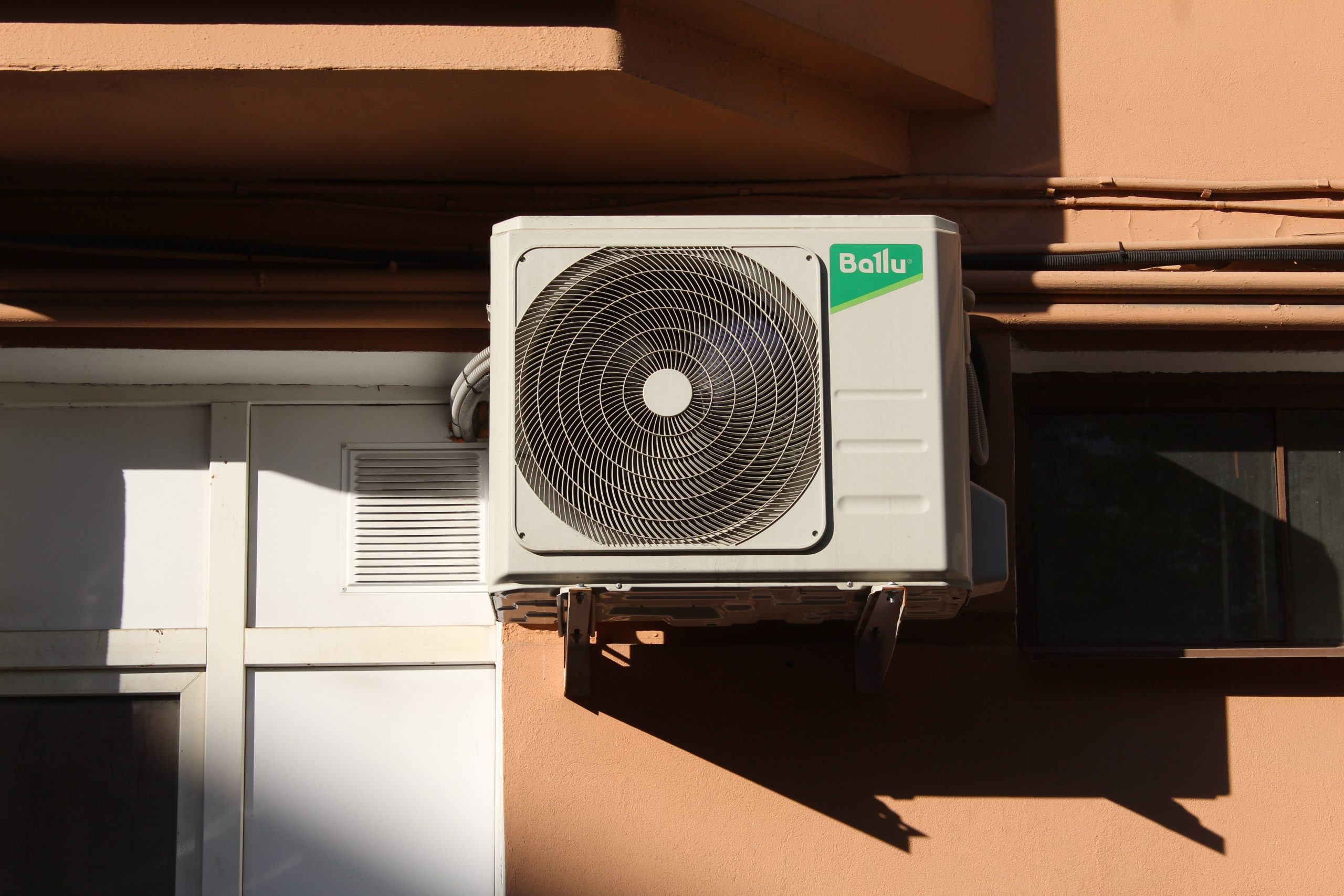
Why is my AC leaking water? It is one of the first things homeowners search after finding a puddle under the air handler, a wet spot on the ceiling below the attic unit, or water dripping from a vent. Air conditioners produce water every time they run, so a little moisture in the right place is normal. Water in the wrong place is not, and it can damage drywall, flooring, and framing within a day or two.
This guide covers the seven most common reasons an AC leaks water, what to do in the first ten minutes, which fixes you can safely handle yourself, and when the leak points to a bigger problem. Comfort Pros handles AC water leaks across Brevard, Hendersonville, and Asheville all summer, and the humid mountain air here makes them more common than in most of the country.
Why Your AC Makes Water in the First Place
Your air conditioner cools the house by pulling warm, humid indoor air across a cold evaporator coil. As the air cools, moisture condenses on the coil the same way water beads on a cold glass of tea in July. That water drips into a drain pan beneath the coil, then flows out of the house through a PVC condensate drain line.
On a humid Western North Carolina afternoon, a central system can pull 5 to 20 gallons of water out of your air every day. When any part of that path fails, the water has to go somewhere, and that somewhere is your floor, ceiling, or ductwork.
Why Is My AC Leaking Water? The 7 Most Common Causes
Nearly every AC water leak traces back to one of these.
1. A clogged condensate drain line. This is the cause in more than half of the leaks we see. Algae, mold, and dust build up inside the drain line until water backs up into the pan and overflows. Our humidity feeds that growth quickly, so a line that was clear in May can be blocked by August.
2. A frozen evaporator coil. When the coil ices over and then thaws, it releases far more water than the pan can handle at once. A dirty filter, blocked airflow, or low refrigerant causes the freeze. If you see frost on the copper lines or the coil, read our post on why an AC freezes up before doing anything else.
3. A cracked or rusted drain pan. Metal pans rust through after 10 to 15 years, and plastic pans crack. Water then drips straight through instead of reaching the drain.
4. A failed condensate pump. When the air handler sits in a basement or closet below the drain point, a small pump pushes water uphill to a drain. If the pump fails, water fills the reservoir and spills over. This is common in older mountain homes with basement air handlers.
5. A disconnected or poorly pitched drain line. A drain line that has come loose, or one installed without enough downward slope, lets water pool and leak at the joints. This usually shows up soon after a new installation or after work in the attic.
6. A dirty air filter. A clogged filter restricts airflow, which drops the coil temperature and leads to freezing. It also allows dust to reach the coil and wash into the drain, which speeds up clogs. Many leaks start with a filter that has not been changed since spring.
7. Low refrigerant. A refrigerant leak lowers the pressure inside the coil, which makes it run colder than designed and freeze. The water you see is the result, but the refrigerant leak is the real repair.
What to Do in the First 10 Minutes
Act quickly and you can prevent most of the damage.
First, turn the system off at the thermostat. Then switch off the breaker for the air handler, because water and electricity around the unit are a bad combination. If the coil is frozen, leave the fan setting on so air moves across it and speeds the thaw.
Second, soak up the water. Towels, a mop, or a wet vacuum on the floor around the unit, and a bucket under any active drip. If water is coming through a ceiling, poke a small hole in the center of the wet spot to let it drain into a bucket instead of spreading across the drywall.
Third, check the filter. If it is gray and clogged, replace it. That alone fixes a surprising number of leaks once the coil thaws.
Finally, find the drain line outlet outside, usually a white PVC pipe near the outdoor unit or along the foundation. If the system has been running and nothing is dripping from that pipe, the line is clogged, and the next section shows how to clear it.
How to Unclog an AC Drain Line Yourself
This is the one AC water leak repair most homeowners can handle safely.
Go to the outdoor end of the drain line and attach a wet dry vacuum hose to the pipe. Seal the connection with a rag or duct tape and run the vacuum for two to three minutes. Most clogs pull right out as a slug of gray sludge.
Then find the access tee near the indoor unit, a short vertical pipe with a cap on top. Remove the cap and pour in a cup of distilled white vinegar. Let it sit for 30 minutes, then flush with a cup of water. Repeat the vinegar treatment monthly during cooling season to keep algae from returning.
Avoid bleach. It corrodes some drain fittings, damages the coil if it splashes back, and creates toxic fumes if it contacts other cleaners. Vinegar does the job without the risk.
If the vacuum and vinegar do not restore flow, the clog is deeper or the line is damaged, and it is time for a technician.
Water Leaking From an AC Vent or Ceiling
Water dripping from a supply vent is a slightly different problem. In most cases the vent itself is not leaking. Instead, cold air moving through uninsulated or poorly sealed ductwork in a hot, humid attic or crawl space causes condensation to form on the outside of the duct. That water runs along the duct and drips out at the register.
Sweating ducts are extremely common in Western North Carolina crawl spaces, where summer humidity often exceeds 80 percent. The fix involves sealing and insulating the ducts, and often controlling the moisture in the space itself. Our indoor air quality services address the humidity side of that problem.
Water coming through a ceiling below an attic air handler is usually a drain pan overflow. Those units should have a secondary pan and a float switch that shuts the system off before the pan overflows. If yours does not, adding a float switch costs $100 to $250 and prevents thousands of dollars in ceiling repairs.
Furnace Leaking Water When the AC Is On
Many homeowners see water at the base of their furnace in summer and assume the furnace is broken. In most split systems, the evaporator coil sits directly on top of the furnace and shares its cabinet. The furnace is not leaking. The AC coil above it is, and the water is running down through the furnace.
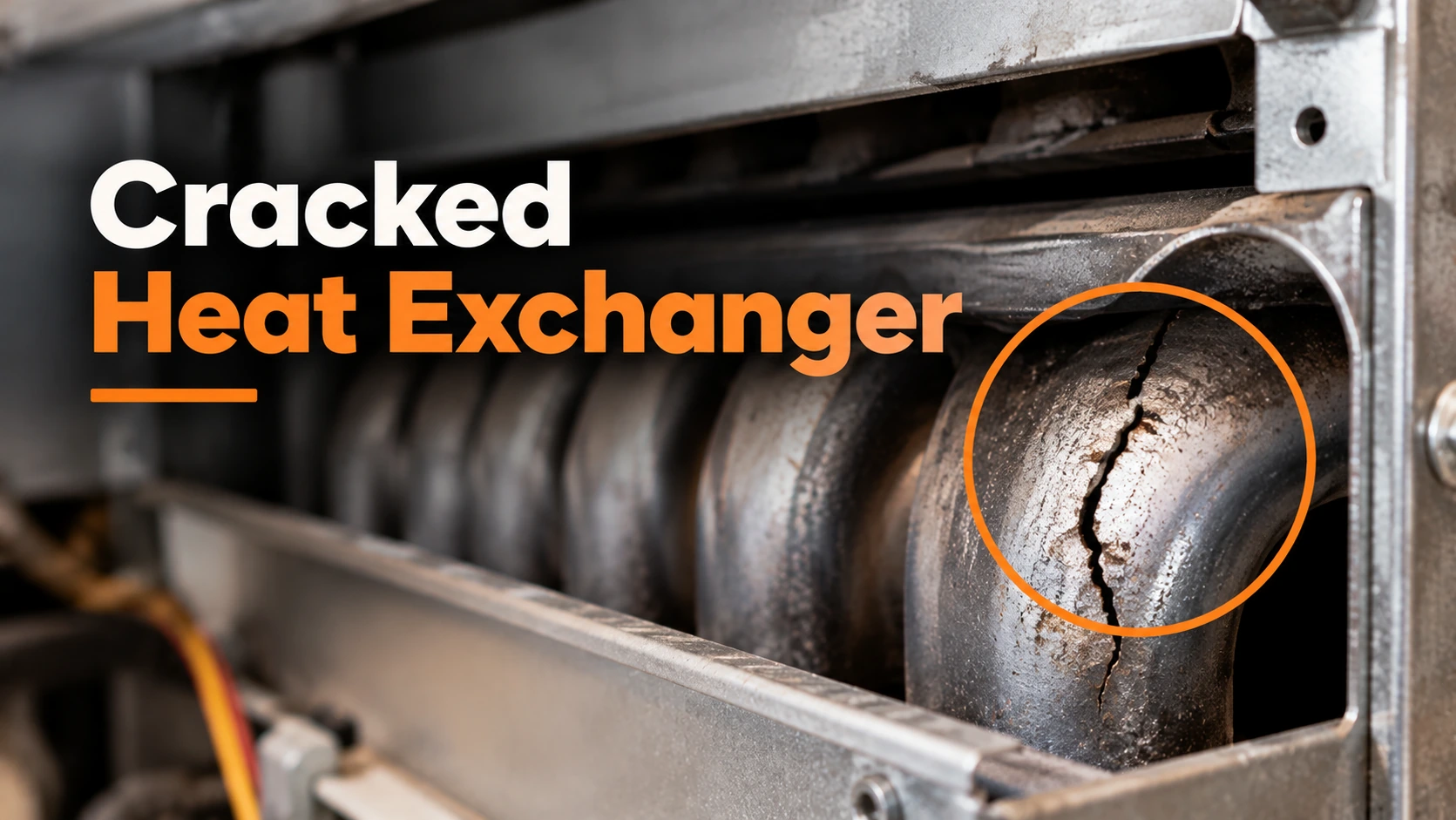
The cause is the same list above, most often a clogged drain line or a frozen coil. However, water sitting inside a furnace cabinet can rust the heat exchanger and damage the control board, so this version of the leak deserves a prompt repair rather than a towel.
When an AC Water Leak Means Bigger Trouble
Some leaks are a five minute drain clearing. Others are a warning.
Call for service if the leak returns within a few days of clearing the drain, if you see ice on the refrigerant lines, if the air from the vents is not cold, if the system short cycles, or if water appears on a ceiling or inside a wall. Each of those points to a refrigerant leak, a failing coil, a bad pump, or a damaged pan, and none of them fix themselves.
Speed matters because of mold. The EPA's guide to mold and moisture in the home notes that mold can begin growing on wet building materials within 24 to 48 hours. A leak found on Friday and fixed on Monday can already be a mold problem behind the drywall.
What AC Water Leak Repairs Cost
Costs depend on the cause. Clearing a clogged drain line runs $75 to $250. Replacing a condensate pump costs $150 to $400. A new drain pan runs $200 to $600 depending on access. Repairing a refrigerant leak and recharging the system costs $400 to $1,500, and replacing a leaking evaporator coil costs $600 to $2,000 or more.
At Comfort Pros, every water leak call starts with a $125 diagnostic that is waived when we complete the repair, so you pay for the fix and not for the visit. Our AC repair page explains how we handle each of these.
How to Prevent AC Water Leaks
Most leaks are preventable with three habits.
Change the air filter every one to three months during cooling season. Pour vinegar into the drain line access tee once a month from May through September. Also, schedule a spring tune-up so a technician can flush the drain line, check the pan, test the pump, and confirm the refrigerant charge before the humid months arrive. Our HVAC maintenance visits cover all of that, and our post on whether a maintenance plan is worth it shows why a $199 plan is cheaper than one ceiling repair.
Frequently Asked Questions About Why an AC Leaks Water
Is it normal for an AC to leak water?
Water dripping from the outdoor end of the condensate drain line is normal and means the system is working. Water anywhere else, such as under the indoor unit, on a ceiling, or from a vent, is a problem that needs attention.
Can I still run my AC if it is leaking water?
Turn it off until you know the cause. Running a system with a clogged drain or frozen coil makes the leak worse and can damage the compressor. If the fix is a simple drain clearing, you can turn it back on as soon as the line flows.
How do I unclog my AC drain line?
Attach a wet dry vacuum to the outdoor end of the line and run it for two to three minutes, then pour a cup of white vinegar into the access tee near the indoor unit and flush with water after 30 minutes.
Why is water leaking from my AC vent?
Condensation is forming on the outside of the ductwork in a humid attic or crawl space and running to the register. The fix is sealing and insulating the ducts and reducing humidity in the space.
Why is my furnace leaking water when the AC is on?
The AC evaporator coil sits on top of the furnace, so water from a clogged drain or frozen coil runs down through the furnace cabinet. The furnace itself is usually fine, but the water can damage it if the leak continues.
How much does it cost to fix an AC that is leaking water?
A clogged drain line costs $75 to $250 to clear. Pump and pan replacements run $150 to $600. Refrigerant and coil repairs range from $400 to $2,000 or more.
Water Where It Should Not Be? We Can Stop It
An AC water leak rarely fixes itself, and the damage grows every day it runs. Comfort Pros serves Brevard, Hendersonville, Asheville, and the surrounding mountain communities Monday through Saturday, 7am to 7pm, with a flat $125 diagnostic that is waived when we complete the repair.
Contact us or call (828) 393-0024, and we will find the source of the leak, fix it, and make sure it does not come back in August.
Related Post

2 Responses