
How Long Do HVAC Systems Last? Signs It's Time to Replace Yours
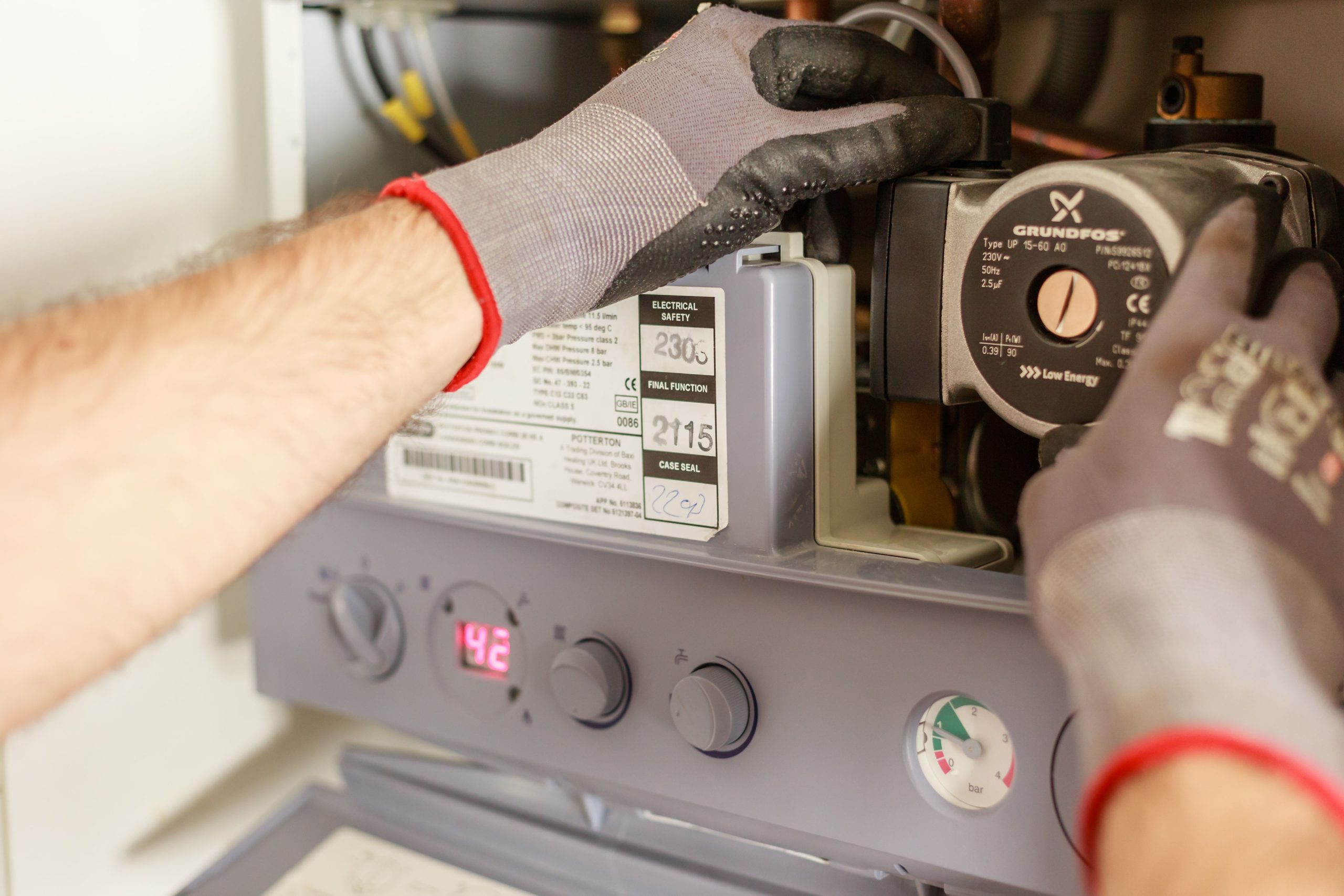
A furnace not turning on is the kind of problem that always seems to happen on the first cold night of the year. You turn the thermostat up, wait, and hear nothing. No click, no whoosh, no fan. Before you assume the worst, know that most furnaces that refuse to start are stopped by something simple, and about half of them can be fixed without a service call.
This guide walks through the ten most common causes in the order you should check them, from the thirty second fixes to the parts that need a technician. It covers gas and electric furnaces, plus a note on heat pumps. Comfort Pros handles no heat calls across Brevard, Hendersonville, and Asheville every winter, and this is the same checklist our technicians run through on the phone.
Before You Start: Two Safety Rules
If you smell gas anywhere near the furnace, stop. Leave the house, do not flip any switches, and call your gas provider or 911 from outside. A gas smell is never a do it yourself situation.
Second, never bypass a safety switch to force the furnace on. Those switches exist to prevent fires and carbon monoxide leaks. Everything below stays on the safe side of that line.
Furnace Not Turning On? Check These 10 Causes in Order
Work down the list. Most homeowners find the problem by step four.
1. The thermostat
Confirm the thermostat is set to Heat, not Cool or Off, and that the target temperature is at least three degrees above the current room temperature. Then replace the batteries, even if the screen looks fine, because a weak battery can stop the thermostat from sending the heat signal. If you recently installed a smart thermostat, check that it was wired for your system type. A missing common wire or a wrong configuration is one of the most common reasons a furnace never gets the call to start.
2. Power to the furnace
Check the breaker panel for a tripped breaker labeled furnace, air handler, or HVAC. Flip it fully off, then back on. Next, look for a switch near the furnace that looks like an ordinary light switch. That is the furnace power switch, and it gets bumped off more often than you would think, especially in utility closets and basements. Finally, some furnaces have a small fuse on the control board that blows after a power surge. After a mountain thunderstorm knocks the power out, this is worth checking.
3. The furnace door
Every furnace has a door safety switch that cuts power when the front panel is off. If the panel was removed to change the filter and not pushed back until it clicks, the furnace will not run. Press the panel firmly into place and try again.
4. The air filter
A clogged filter restricts airflow, the furnace overheats, and a high limit switch shuts it down to prevent damage. After a few overheats, many furnaces lock out completely. Pull the filter and hold it up to a light. If you cannot see through it, replace it, then reset the furnace using the steps in cause number ten.
5. The gas supply
Find the gas valve on the pipe leading into the furnace. The handle should run parallel to the pipe, meaning open. If it sits across the pipe, it is closed. For homes on propane, which includes a large share of rural Transylvania, Henderson, and Buncombe County, check the tank gauge. An empty or near empty propane tank is the single most common reason a furnace will not light in the mountains, and it is easy to miss until the first cold night.
6. Ignition problems
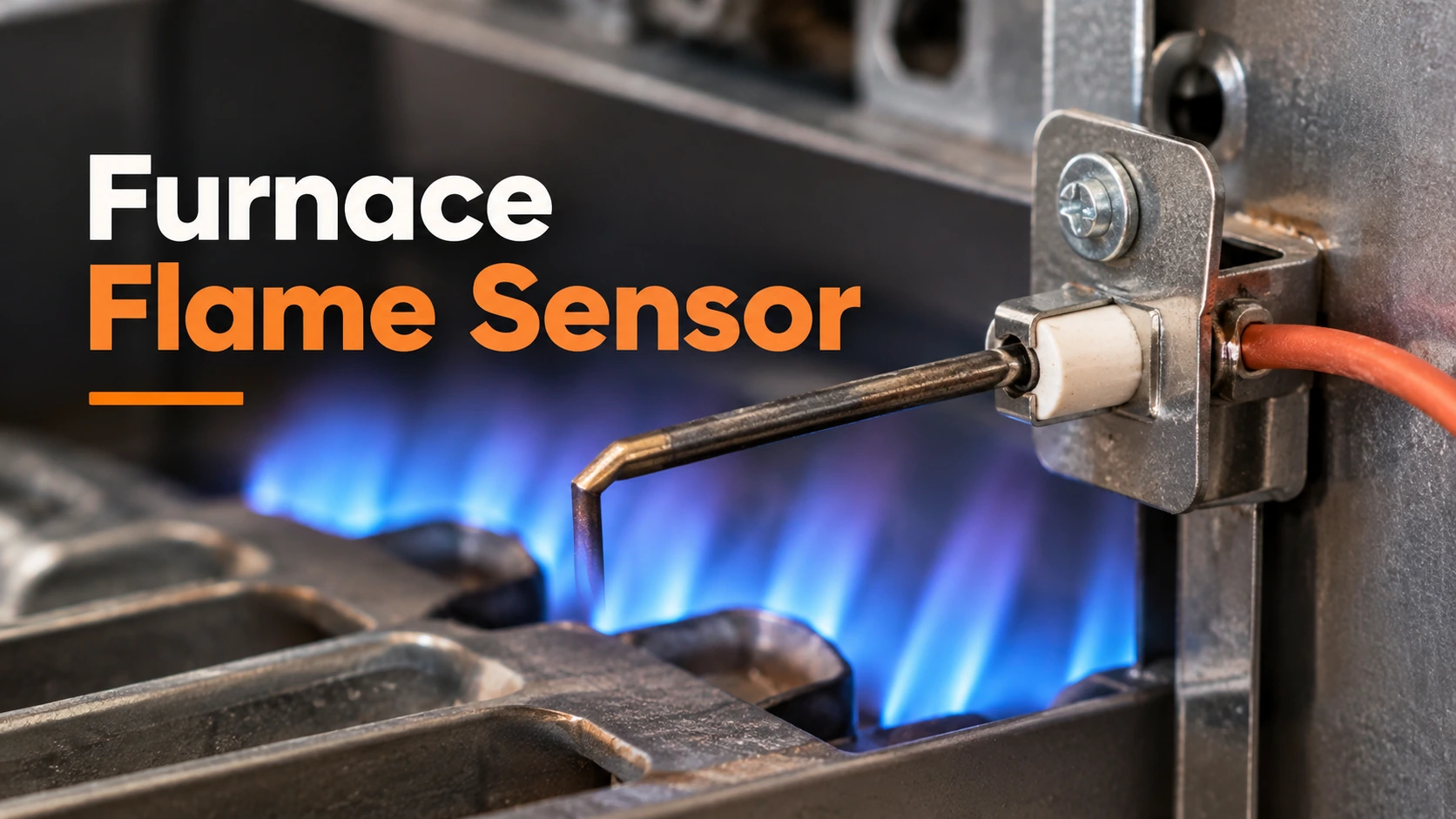
Older furnaces use a standing pilot light. If it has gone out, relight it following the instructions printed inside the furnace panel. Newer furnaces use a hot surface igniter, which glows orange to light the gas. If the furnace clicks and the blower runs but the burners never light, the igniter has likely cracked, and it needs replacement. A furnace that lights for a few seconds and then shuts off usually has a dirty flame sensor, which a technician can clean or replace in minutes.
7. A clogged condensate drain
High efficiency furnaces produce water as they run, and that water exits through a drain line just like an air conditioner. When the line clogs, a float or pressure switch shuts the furnace down. Look for standing water around the base of the furnace or a full condensate pump reservoir. Clearing the line often gets the furnace running again.
8. A blocked flue or intake pipe
Modern furnaces vent through white PVC pipes that exit an outside wall. Snow, ice, leaves, or a bird nest can block those pipes, and a pressure switch then refuses to let the furnace ignite. Walk outside, find the two pipes, and make sure both are clear. This becomes a frequent issue in the mountains after a heavy snow.
9. The blower motor or capacitor
If you hear a hum or a click but the fan never spins, the blower motor or its capacitor has failed. Sometimes the burners light briefly and shut down because the furnace senses no airflow. This repair requires a technician, since it involves electrical components and, in the case of the motor, several hundred dollars in parts.
10. A control board lockout
After repeated failed starts, most furnaces lock themselves out for an hour or more. To reset, turn the furnace power switch off, wait 30 seconds, and turn it back on. Then set the thermostat to heat and wait five minutes. Look through the small window on the furnace panel for a blinking LED. The blink pattern is an error code, and the legend printed inside the door tells you what it means. If the furnace locks out again after a reset, the underlying cause is one of the parts above, and it needs professional diagnosis. Our system diagnostics service reads those codes and tests every component in a single visit.
Electric Furnace Not Turning On
Electric furnaces skip the gas and ignition steps, but they add a few of their own. They often run on two or three separate breakers, and a single tripped breaker can leave the blower running with no heat, or nothing running at all. Check every breaker in the panel labeled for the furnace or air handler.
Inside the unit, a sequencer turns the heating elements on in stages. When it fails, the blower may run but the air stays cold. Heating elements also burn out over time. Both repairs need a technician, and both are usually less expensive than a gas furnace ignition repair.
Heat Pump Not Turning On
Many mountain homes heat with a heat pump rather than a furnace. If yours will not start, the thermostat, power, and filter steps above still apply. However, heat pumps also depend on the outdoor unit. Check that the outdoor breaker is on, the unit is not buried in snow or ice, and the disconnect box next to it is switched on. If the indoor fan runs but the air is cool, our post on why a heat pump blows cold air instead of heat covers the next steps.
Furnace Turns On but Shuts Off Quickly
A furnace that starts and stops within a minute or two is a different problem than one that will not start at all. That pattern, called short cycling, usually points to a dirty flame sensor, an overheating limit switch, or an oversized system. We wrote a full guide on why a furnace keeps turning on and off that walks through each cause.
When to Call for Furnace Repair
Stop troubleshooting and call a technician if any of these apply.
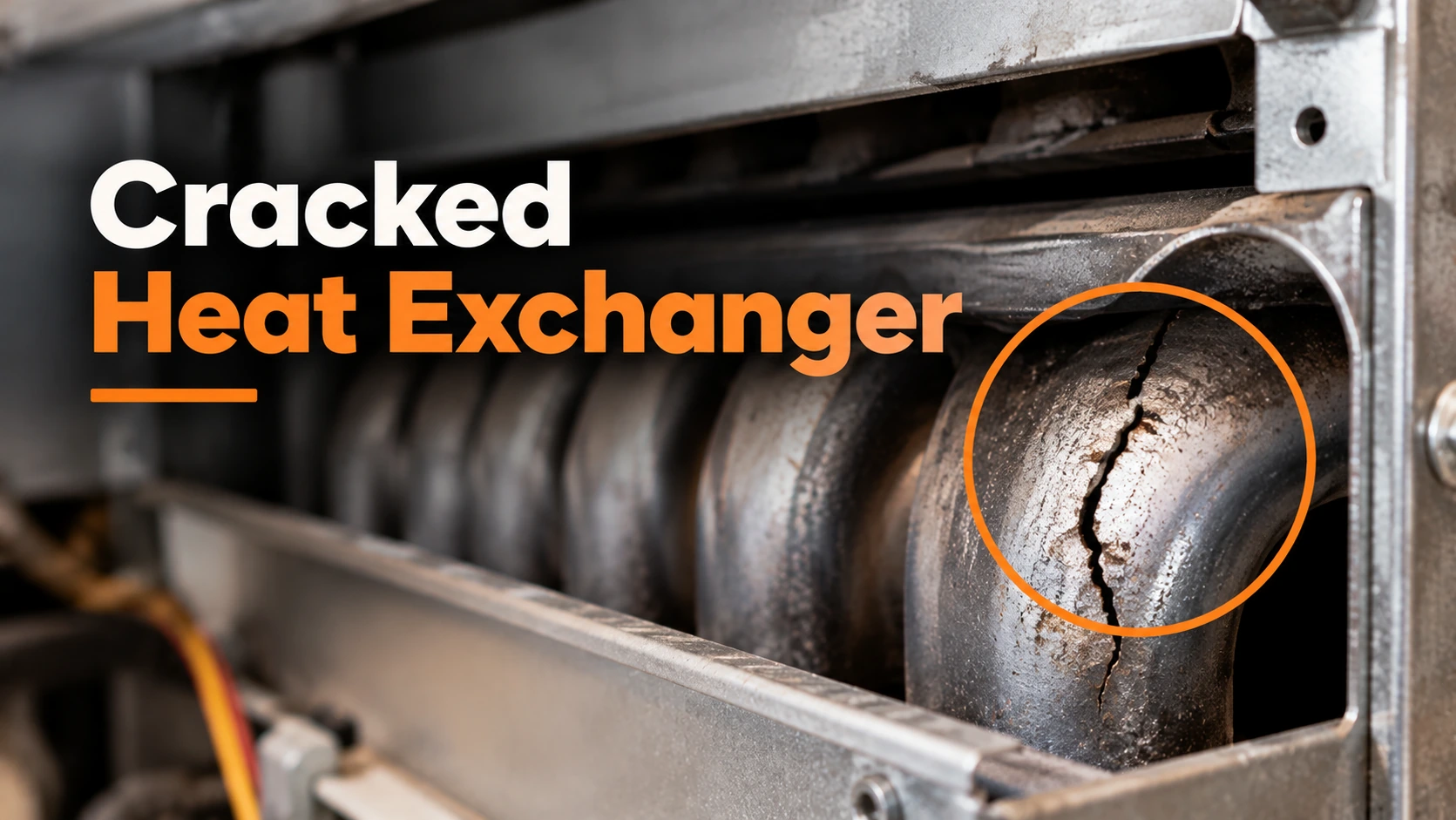
You smell gas. The breaker trips again immediately after you reset it. The furnace locks out a second time after a reset. The igniter or flame sensor needs replacement. The blower motor hums but does not spin. Or you see soot, scorch marks, or rust streaks around the burners, which can indicate a cracked heat exchanger and a carbon monoxide risk.
Repair costs vary by part. Cleaning a flame sensor runs $80 to $200. Replacing a hot surface igniter costs $150 to $350. A pressure switch or limit switch runs $100 to $350. A blower motor costs $400 to $1,200, and a control board runs $300 to $800. At Comfort Pros, every no heat call starts with a $125 diagnostic that is waived when we complete the repair. Our heating repair page covers the full list of what we fix.
How to Keep Your Furnace From Failing on the First Cold Night
Most no heat calls in October and November come from furnaces that sat untouched since March. Three habits prevent nearly all of them.
Change the filter before heating season and every one to three months after. Test the furnace on a mild day in early October, so any problem shows up when it is 60 degrees instead of 20. Also, schedule a fall tune-up. A technician cleans the flame sensor, tests the igniter, checks the gas pressure, inspects the heat exchanger, and clears the condensate drain, which covers seven of the ten causes above before they happen. Our HVAC maintenance visits include all of it, and our post on whether a maintenance plan is worth it explains the math.
The U.S. Department of Energy's guide to furnaces and boilers notes that annual professional maintenance is the most effective way to keep a furnace safe and efficient over its 15 to 20 year life, and in a region with long heating seasons, that advice pays for itself quickly.
Frequently Asked Questions About a Furnace Not Turning On
Why is my furnace not turning on when the thermostat is set to heat?
The most common reasons are dead thermostat batteries, a tripped breaker, the furnace power switch turned off, a loose furnace door panel, or a clogged filter that caused a lockout. Check those five before anything else.
Why does my furnace click but not turn on?
A click with no ignition usually means the igniter has failed, the gas valve is closed, or the pressure switch is blocking ignition because of a clogged vent or drain. Check the gas valve and outdoor vent pipes, then call for service if the burners still do not light.
How do I reset my furnace?
Turn the furnace power switch off, wait 30 seconds, turn it back on, then set the thermostat to heat and wait five minutes. If it locks out again, the furnace has a problem that a reset will not solve.
Why is my furnace fan not turning on?
If the burners light but the fan never starts, the blower motor or its capacitor has failed. If nothing runs at all, check power and the door switch first. Blower repairs need a technician.
Why is my electric furnace not turning on?
Electric furnaces often use multiple breakers, so check all of them. A failed sequencer or burned out heating element will also leave the blower running with cold air or the unit completely dead.
How much does it cost to fix a furnace that will not turn on?
Simple repairs like a flame sensor cleaning or igniter replacement run $80 to $350. Blower motors and control boards cost $300 to $1,200. Many fixes on this list, such as a filter, a breaker, or a door panel, cost nothing.
Still No Heat? We Can Help
If you have worked through the list and the furnace still refuses to start, the problem is a part that needs a trained technician. Comfort Pros serves Brevard, Hendersonville, Asheville, and the surrounding mountain communities Monday through Saturday, 7am to 7pm, with a flat $125 diagnostic that is waived when we complete the repair.
Contact us or call (828) 393-0024, and we will get the heat back on before the next cold front moves through.
Related Post
One Response