Every HVAC system has a shelf life, but knowing exactly when yours is approaching the end isn't always obvious. Some systems limp along for years with minor repairs, while others fail suddenly with no real warning. Understanding typical lifespans and warning signs helps you plan ahead instead of getting caught off guard during a heat wave or cold snap.
At Comfort Pros, we help Brevard and Western North Carolina homeowners make this call regularly. Here's how long different systems typically last, the signs yours may be nearing the end, and how to think through repair versus replacement.
Typical HVAC System Lifespans
Lifespan varies by system type, maintenance history, and how hard the equipment works in your specific climate. As general benchmarks:
- Central air conditioners: typically 12 to 17 years
- Gas furnaces: typically 15 to 20 years
- Heat pumps: typically 10 to 15 years, since they run year-round for both heating and cooling
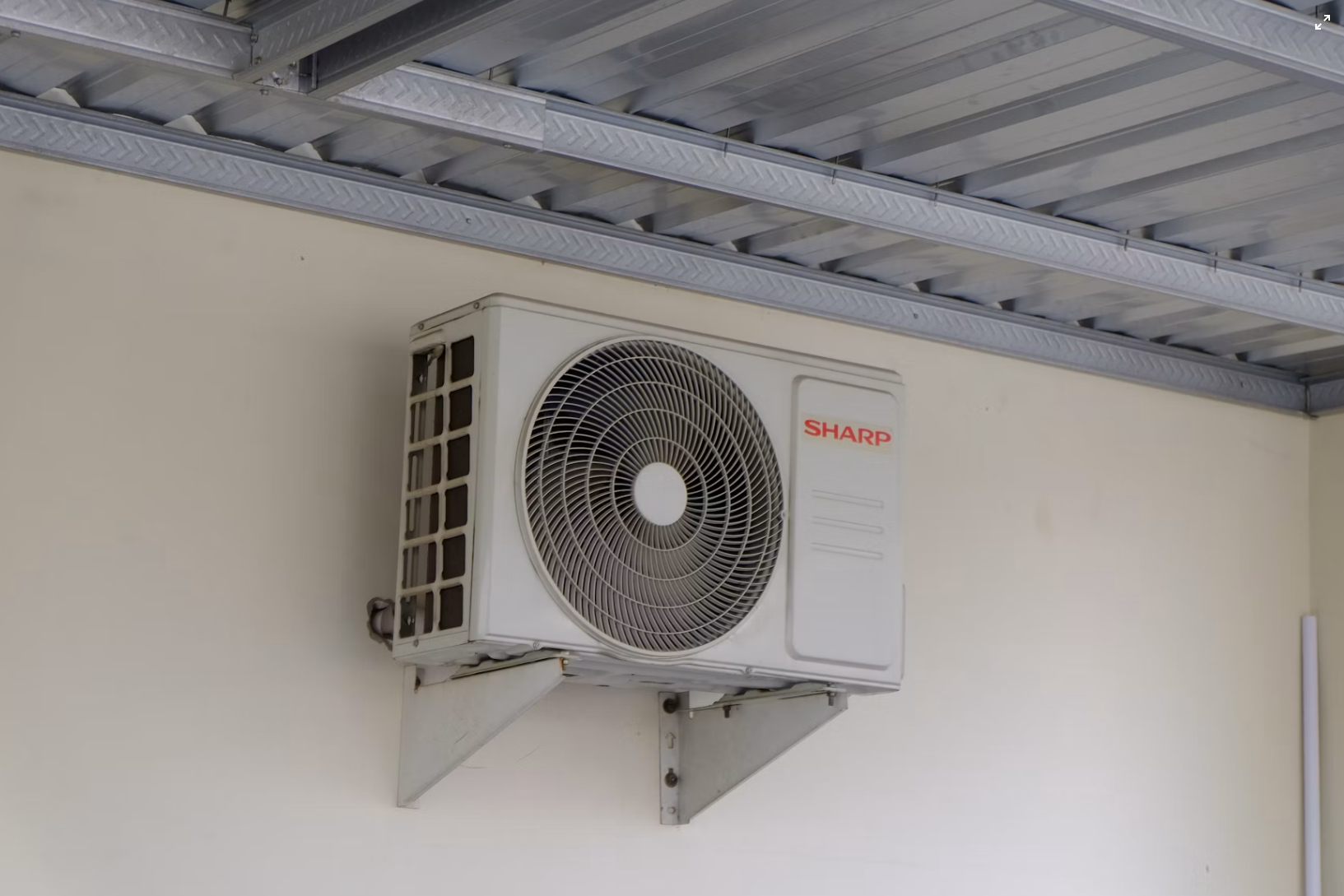
- Ductless mini-split systems: typically 15 to 20 years with proper maintenance
These ranges assume reasonably regular maintenance. A system that's never had a professional tune-up will often fall well short of these numbers, while a well-maintained system can sometimes exceed them.
Signs Your System Is Nearing the End
Rising Energy Bills Without a Clear Cause
As HVAC systems age, they lose efficiency even when running normally. If your energy bills have climbed steadily over the past few years without a corresponding change in usage, an aging system working harder to do the same job is a common culprit.
Frequent Repairs
Every system needs occasional repairs, but a pattern of increasingly frequent service calls is a clear signal. A common rule of thumb: if a repair costs more than half of what a replacement would cost, or you've had multiple repairs within the past year, replacement is usually the smarter financial decision.
Inconsistent Temperatures Throughout the House
Rooms that used to feel evenly comfortable but now run noticeably warmer or cooler than the rest of the house can indicate a system that's struggling to keep up with demand, particularly in an aging unit.
Unusual Noises
Banging, grinding, or squealing sounds that weren't there before often point to worn components. While some noises are fixable with a repair, recurring mechanical noise in an older system is often an early warning of larger failures ahead.
Your System Uses Outdated Refrigerant
Older systems designed for R-22 refrigerant, which has been phased out, are increasingly expensive to service since the refrigerant itself is scarce and costly. If your system still uses R-22, replacement is often more cost-effective than continuing to repair it.
Repair or Replace? How to Decide
When facing a repair decision, a few questions help clarify the right call:
- How old is the system? If it's within a few years of its expected lifespan, replacement often makes more sense than investing in another repair.
- How much would the repair cost relative to a new system? A repair costing 50% or more of a replacement's price rarely makes financial sense on an aging unit.
- Has efficiency dropped noticeably? Even a functioning older system may be costing you significantly more to run than a modern, efficient replacement would.
- Is this a recurring issue? Repeated repairs for the same or related problems usually point to a system in overall decline rather than an isolated fix.
There's no single right answer for every situation, but weighing these factors together usually makes the decision clearer than looking at any one of them alone.
What to Expect From a Replacement
Modern systems are significantly more energy-efficient than equipment installed even a decade ago, which means a replacement often pays part of itself back through lower monthly bills. A properly sized and installed new system also tends to run more evenly, with fewer of the airflow and comfort complaints that often show up as older systems struggle.
If you're facing frequent breakdowns or noticing several of the signs above, our heating installation and AC repair teams can assess your current system and give you an honest read on whether repair or replacement makes more sense for your specific situation. Regular HVAC maintenance throughout your system's life is also the single best way to help it reach, or exceed, its expected lifespan in the first place.
Frequently Asked Questions
Can regular maintenance really extend my system's lifespan?
Yes, significantly. Systems that receive consistent professional maintenance routinely last longer than neglected systems, since small issues get caught and corrected before they cause additional strain on other components.
Is it cheaper to repair or replace an old AC unit?
It depends on the system's age and the specific repair cost. As a general guide, if the repair costs more than half of a replacement and the unit is over 10 years old, replacement is usually the more cost-effective long-term choice.
How do I know if my heat pump or furnace is close to failing completely?
Warning signs include frequent repairs, rising energy bills, inconsistent temperatures, unusual noises, and an age approaching or exceeding the typical lifespan for that system type. Any combination of these is worth a professional assessment.
Does replacing an old HVAC system actually save money?
Often yes, especially with older, inefficient equipment. Lower energy bills, fewer repair costs, and improved comfort typically offset a meaningful portion of the replacement cost over time.
Not sure if your system is nearing the end or just needs a repair? Our team serves Brevard and the surrounding Western North Carolina area. Contact us for an honest assessment either way.
2 Responses