Furnace Leaking Water? 8 Causes, What to Do First, and When to Call a Pro
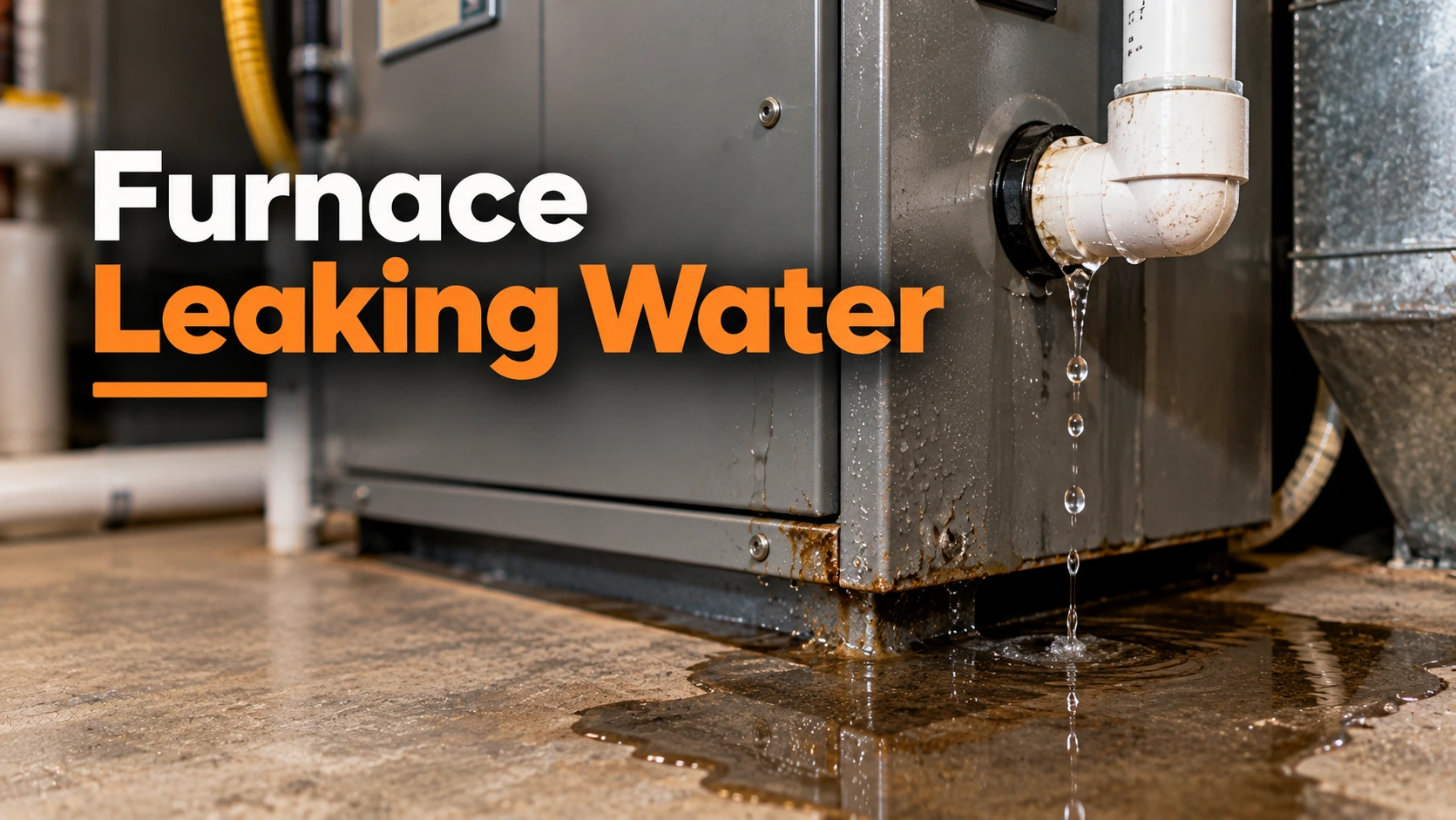
A furnace leaking water is an unwelcome surprise, because most people do not expect a furnace to hold water at all. Then a puddle shows up on the utility room floor, usually on the first cold week of the season. The good news is that most leaks come from a short list of causes, and the most common one is an inexpensive repair.
This guide covers why furnaces make water, the eight most common causes of a leak, what to do in the first ten minutes, and what repairs cost. Comfort Pros handles these calls across Brevard, Hendersonville, Asheville, and the rest of Western North Carolina every heating season.
Can a Furnace Leak Water?
Yes. In fact, many modern furnaces produce water every time they run. Whether yours does depends on its type, and you can tell the two types apart by looking at the vent pipe.
High efficiency furnaces vent through white PVC pipes. These furnaces pull so much heat out of the exhaust that the water vapor in it turns to liquid. That water, called condensate, drains away through tubing and a small trap. A high efficiency furnace can produce several gallons a day in cold weather.
Standard efficiency furnaces vent through a metal flue pipe. They are not designed to make water. Therefore, water around a standard furnace points to the flue, a humidifier, or something nearby.
Knowing your furnace type narrows the list of causes quickly.
Why Is My Furnace Leaking Water? 8 Common Causes
Nearly every furnace water leak traces back to one of these.
1. A clogged condensate drain or trap. This is the most common cause on a high efficiency furnace. Dust, rust flakes, and slime build up in the trap or tubing. As a result, water backs up into the furnace and spills onto the floor.
2. A failed condensate pump. Furnaces in basements and crawl spaces often sit below the nearest drain. In that case, a small pump pushes the water up and out. When the pump or its float switch fails, the reservoir overflows.
3. A cracked or loose drain hose. The rubber and vinyl tubing inside the furnace turns brittle with age. A split or a loose clamp lets water drip inside the cabinet.
4. A leaking inducer housing or collector box. Condensate passes through these plastic parts on its way to the drain. Their gaskets dry out over time, and the plastic can crack.
5. A leaking whole house humidifier. A humidifier mounted on the furnace has its own water line, pad, and drain. A stuck valve, a clogged pad, or a blocked drain sends water down the side of the furnace. This cause applies to both furnace types.
6. Condensation in the flue pipe. On a standard furnace, the exhaust should stay hot until it leaves the house. However, a flue that is too large, too long, or poorly sloped lets the exhaust cool. Water then forms inside the pipe and runs back to the furnace. On a high efficiency furnace, PVC vent pipes that slope the wrong way cause leaks at the joints.
7. A leaking secondary heat exchanger. High efficiency furnaces have a second heat exchanger where the condensate forms. If it corrodes through, water leaks inside the cabinet. This is the most serious cause on the list, and it often means a major repair.
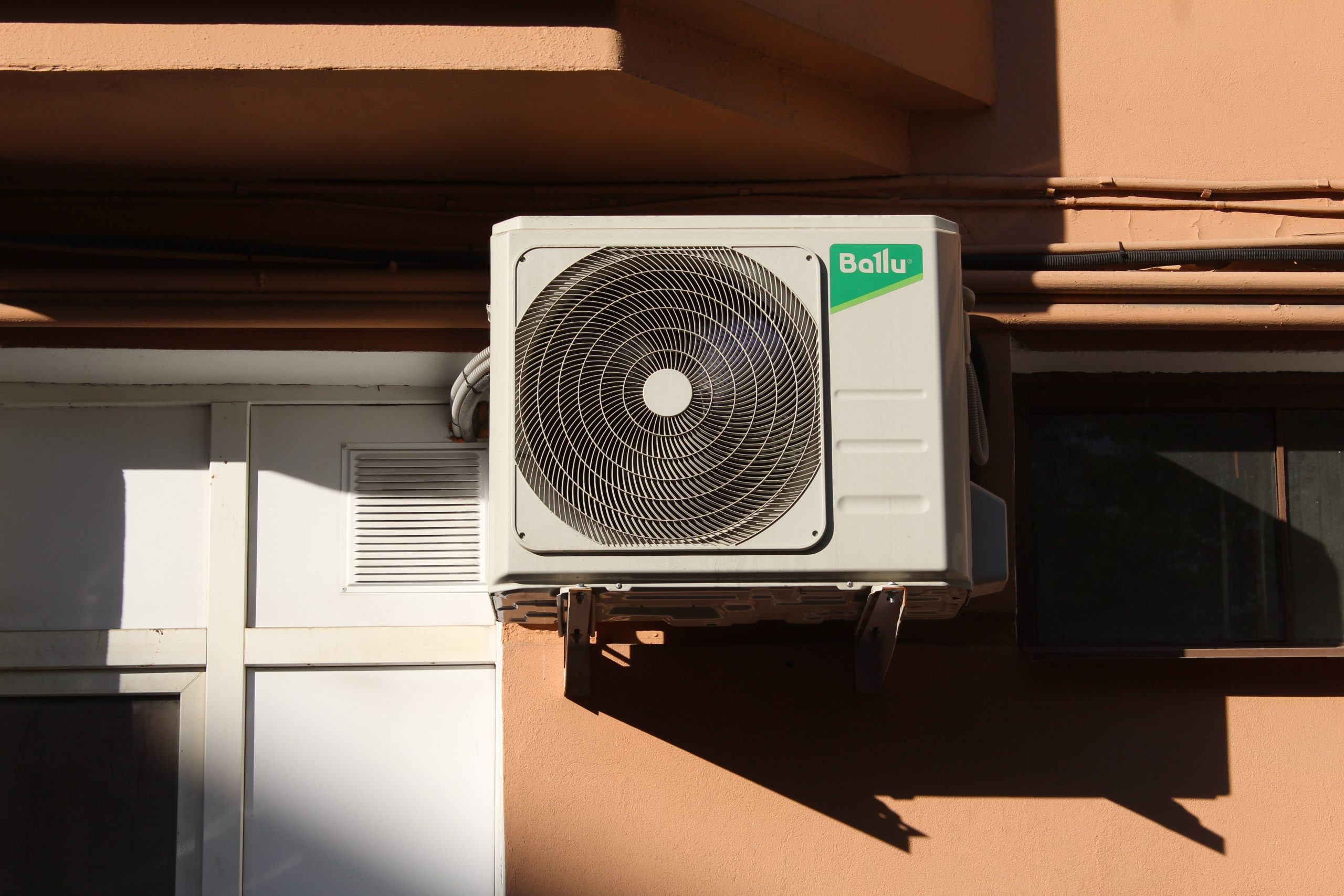
8. The air conditioner, not the furnace. In summer, the cooling coil that sits on top of the furnace makes water of its own. If you see the leak while the AC is running, read our guide on why an AC leaks water instead.
Furnace Leaking Water When the Heat Is On
If the puddle appears only when the heat runs, focus on the condensate system first. That means causes one through four above. Next, check the humidifier, since it runs only during heating season. Finally, if you have a standard furnace with a metal flue, look for rust streaks or drips along the flue pipe.
Also, look at where the water sits. Water at the front corner near the small tubing usually means a drain clog. Water under the pump means a pump problem. In contrast, water that runs down the outside of the cabinet from above often comes from the humidifier or the flue.
What to Do First When Your Furnace Is Leaking Water
Act quickly, because a furnace leaking water can damage its own electronics.
First, turn the furnace off at the thermostat. Then switch off the furnace power at the wall switch or breaker. Next, soak up the water with towels or a wet vacuum. After that, shut off the water supply to the humidifier if you have one. Finally, look for the source using the list above.
Drying the area matters as much as stopping the leak. The EPA's guide to mold and moisture in the home advises drying wet materials within 24 to 48 hours to prevent mold growth.
How to Clear a Clogged Furnace Condensate Drain
A clogged drain is the one cause most homeowners can handle safely. However, keep the power off the whole time.
First, find the condensate trap. It is a small plastic box or a U shaped piece of tubing near the bottom of the furnace. Next, place a towel under it and remove the tubing or the cleanout cap. Then flush the trap and tubing with warm water until it runs clear. A wet vacuum on the end of the drain line pulls out stubborn clogs.
After that, reconnect everything and pour a cup of water into the trap. The trap needs that water to seal properly. Finally, restore power and watch one full heating cycle for drips.
If the furnace has a condensate pump, pour water into the reservoir slowly. The pump should switch on and empty it. If it only hums or does nothing, the pump needs replacement.
Avoid opening the sealed parts of the furnace. If the leak continues after a drain cleaning, the cause is deeper, and it is time for a technician.
Is a Furnace Leaking Water Dangerous?
The water itself is not an emergency. However, it creates three real risks if you ignore it.
First, water can short out the control board, which turns a small repair into an expensive one. Second, standing water rusts the cabinet and the burners. Third, damp floors and framing grow mold within days.
In addition, condensate is mildly acidic, so it corrodes metal faster than plain water. Meanwhile, a blocked drain often trips a safety switch that stops the furnace from starting. Our post on a furnace not turning on explains that shutdown.
One situation is urgent. If a standard furnace has a rusted or dripping flue pipe, exhaust gases may not be venting properly. Turn the furnace off and call for service that day.
What Furnace Water Leak Repairs Cost
The cost to repair a furnace leaking water depends on the cause.
Clearing a condensate drain or trap runs $100 to $250. Replacing a condensate pump costs $150 to $400. New drain tubing or a gasket runs $100 to $300. Humidifier repairs cost $100 to $350. Correcting a flue or vent pipe runs $200 to $800, depending on access. Finally, replacing a secondary heat exchanger costs $1,000 to $3,000, though many manufacturer warranties cover the part.
At Comfort Pros, every leak call starts with a $125 diagnostic that is waived when we complete the repair. Our heating repair page explains how we handle each of these.
How to Prevent Furnace Water Leaks
Most leaks are preventable with a few habits. First, change the air filter every one to three months. Second, replace the humidifier pad every fall and check its water line for drips. Third, pour a little water through the condensate pump at the start of the season to confirm it runs.
Also, schedule a fall tune-up. During our HVAC maintenance visits, a technician flushes the condensate trap, tests the pump, and inspects the vent pipes before the long heating season begins. If dry winter air is the reason you run a humidifier, our indoor air quality services can check that it is set up and draining correctly.
Frequently Asked Questions About a Furnace Leaking Water
Is it normal for a furnace to leak water?
No. A high efficiency furnace makes water, but that water should stay inside the drain system. Any water on the floor means part of that system has failed.
Can I still run my furnace if it is leaking water?
Turn it off until you find the cause. Running it can damage the control board and make the leak worse. If the fix is a simple drain cleaning, you can turn the furnace back on as soon as the drain flows.
Why is my furnace leaking water from the bottom?
Water at the bottom usually comes from a clogged condensate trap, a split drain hose, or an overflowing pump. On a standard furnace, it often comes from a humidifier above.
Why is my furnace leaking water when the AC is on?
The cooling coil sits on top of the furnace and has its own drain pan and line. When that drain clogs, water runs down through the furnace cabinet. The furnace itself is usually fine.
Why is my furnace exhaust pipe leaking water?
On a high efficiency furnace, the PVC vent pipe carries moist exhaust, and it must slope back toward the furnace so water drains inside. A sagging pipe or a loose joint lets that water drip out. On a standard furnace, a dripping metal flue needs prompt attention.
How much does it cost to fix a furnace that is leaking water?
Most repairs cost $100 to $400, since drain clogs and pumps cause the majority of leaks. Vent corrections and heat exchanger repairs cost more.
Water Around Your Furnace? We Can Find the Source
A furnace leak rarely stops on its own, and the damage grows with every cycle. Comfort Pros serves Brevard, Hendersonville, Asheville, and the surrounding mountain communities Monday to Friday, 8:00am to 5:00pm, with a flat $125 diagnostic that is waived when we complete the repair.
Contact us or call (828) 393-0024, and we will track down the leak and stop it before it damages the furnace.
Related Post