
How Long Do HVAC Systems Last? Signs It's Time to Replace Yours
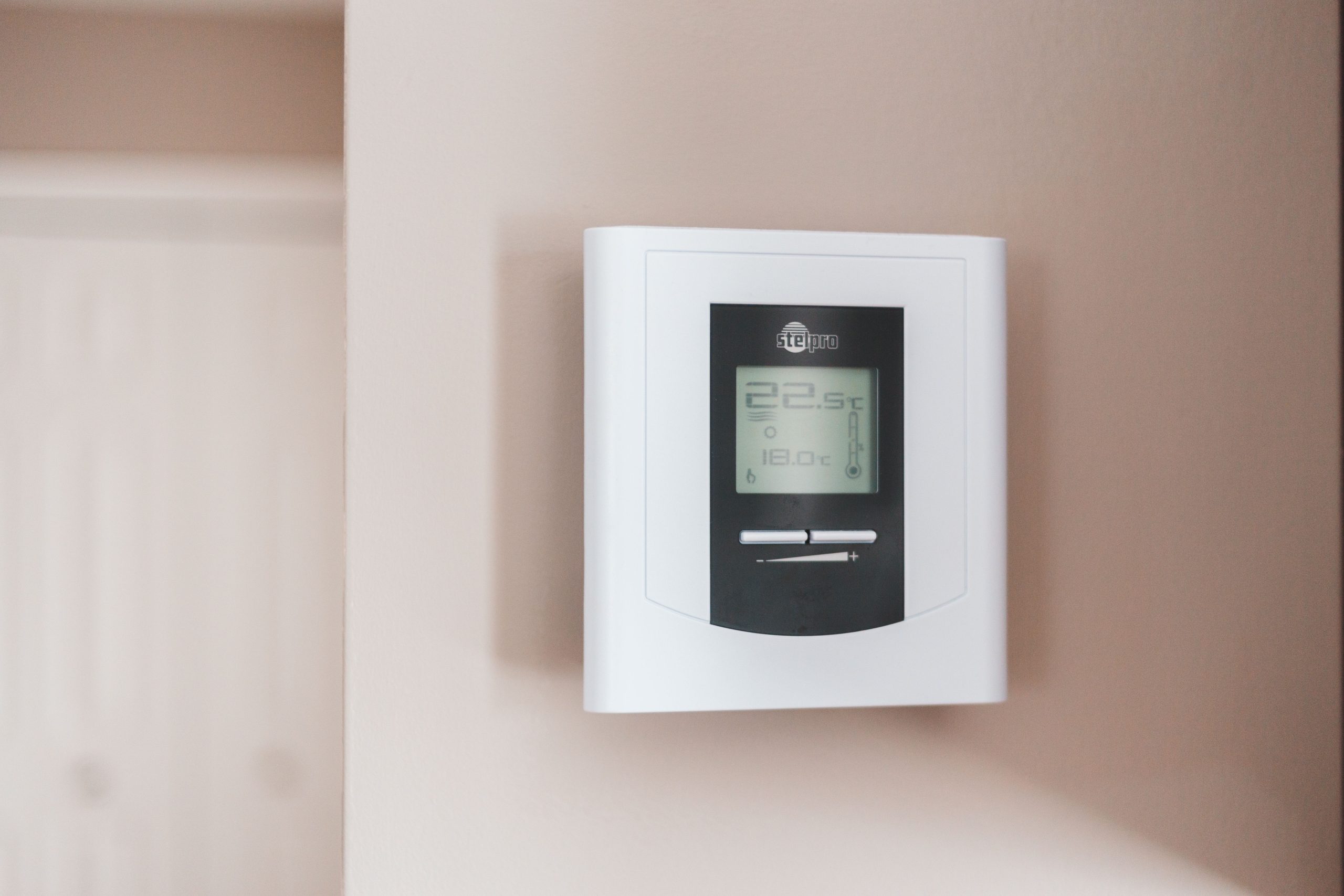
What does aux heat mean, and why does it keep showing up on your thermostat every time the temperature drops? If you own a heat pump in Western North Carolina, you have almost certainly seen the words "Aux Heat" or "Auxiliary Heat" glowing on the screen during a cold snap. Some homeowners ignore it. Others panic and assume the system is broken. The truth sits in between.
This guide explains exactly what auxiliary heat is, when it is supposed to run, when it signals a real problem, how it differs from emergency heat, and what you can do to keep it from driving up your power bill. Comfort Pros services heat pumps from Brevard to Asheville all winter long, and aux heat questions are the most common call we get once the first hard freeze hits.
What Does Aux Heat Mean?
Aux heat is short for auxiliary heat. It is a backup heating source built into your heat pump system that switches on automatically when the heat pump alone cannot keep up.
Here is why it exists. A heat pump does not create heat. Instead, it pulls heat out of the outdoor air and moves it inside. That works beautifully when it is 50 degrees out. However, as the outdoor temperature falls, there is less heat available to capture, and the heat pump loses efficiency. Somewhere around 35 to 40 degrees on a standard heat pump, the system can no longer produce enough warmth on its own.
At that point, the thermostat calls for auxiliary heat. In most homes, that means electric resistance heat strips inside the air handler, which work like a giant toaster. In a dual fuel system, the backup is a gas furnace. Either way, the thermostat displays "Aux Heat" to tell you the backup is running alongside the heat pump.
When Aux Heat Is Completely Normal
Auxiliary heat is not a malfunction. It is designed to run in four specific situations.
Cold outdoor temperatures. When it drops below the mid 30s, aux heat runs to supplement the heat pump. On a January night in Brevard or Hendersonville, seeing it on at 2am is expected.
Large thermostat adjustments. If you raise the setting more than 2 or 3 degrees at once, the thermostat assumes the heat pump cannot close that gap quickly and calls for aux heat to speed things up. Turning the heat from 62 to 70 in the morning triggers it almost every time.
Defrost cycles. Heat pumps periodically reverse to melt frost off the outdoor coil. During those few minutes, the system would blow cool air, so aux heat runs briefly to cover the gap. Seeing it flicker on for five to ten minutes then shut off is normal.
Recovery after a setback. Smart thermostats that lower the temperature overnight often use aux heat to recover in the morning unless they are configured for gradual recovery.
In all four cases, the aux heat indicator should turn off once the house reaches the set temperature.
When Aux Heat Signals a Problem
The indicator becomes a warning sign under these conditions.
It runs when the weather is mild. Aux heat on a 45 or 50 degree day means the heat pump is not producing the heat it should. Something is wrong with the primary system.
It runs constantly. If aux heat stays on for hours at a time, or never shuts off, the heat pump has effectively stopped contributing and the strips are doing all the work.
Your electric bill doubles. Electric heat strips draw 10 to 20 kilowatts compared to 3 to 5 kilowatts for a heat pump. A home running on aux heat most of the day can see the winter power bill climb by $100 to $300 per month with no change in comfort.
The air from the vents is cool while aux heat is on. That combination usually means the strips themselves have failed, which is a separate repair.
If you see any of these, the problem is almost never the aux heat. The problem is whatever caused the heat pump to fall behind. Our post on why a heat pump blows cold air instead of heat walks through the most common causes.
Why Aux Heat Keeps Turning On
When auxiliary heat runs more than it should, one of these is usually behind it.
A dirty air filter. Restricted airflow makes the heat pump move less heat, so the thermostat calls for backup. This is the cheapest fix on the list, so check it first.
Low refrigerant. A heat pump low on refrigerant cannot absorb enough heat from the outdoor air. As a result, aux heat carries the load. Low refrigerant means a leak, which needs a technician.
An iced over outdoor unit. Heavy frost or a failed defrost cycle blocks the outdoor coil. Snow piled against the unit does the same thing.
A failing reversing valve or compressor. Either one leaves the heat pump unable to produce heat at all, and the strips run continuously.
Wrong thermostat settings. A thermostat configured for the wrong system type, or with the aux lockout temperature set too high, will call for backup heat far too often. This is common after a homeowner installs a new smart thermostat.
An undersized heat pump. A system that was too small for the house from day one will lean on aux heat every winter. This shows up often in older mountain homes where square footage was added over the years.
Aux Heat Versus Emergency Heat
These two settings confuse almost everyone, so here is the distinction.
Aux heat is automatic. The thermostat turns it on and off as needed, and the heat pump keeps running at the same time. You do not control it directly.
Emergency heat is a manual setting you select on the thermostat. It shuts the heat pump off completely and runs the backup strips alone. It exists for one reason: keeping the house warm when the heat pump has failed and you are waiting for a repair.
Because emergency heat uses the strips exclusively, it is the most expensive way to heat your home. Do not use it as a regular setting, and do not switch to it just because you saw "Aux Heat" on the screen. If you find yourself needing emergency heat, the heat pump needs service, and our heating repair team can usually get it running the same week.
What Aux Heat Costs in Western North Carolina
The numbers explain why this matters. Duke Energy rates in our region run roughly 13 to 15 cents per kilowatt hour. A heat pump drawing 4 kilowatts costs about 55 cents per hour to run. A 15 kilowatt heat strip costs about $2.10 per hour.
Over a cold January with strips running eight hours a day, that difference adds up to roughly $370 in extra electricity for the month. A few nights of normal aux heat cost very little. A season of constant aux heat because of a refrigerant leak costs more than the repair would have.
Mountain elevations make this a bigger issue here than in Charlotte or Raleigh. Brevard sits above 2,000 feet, and communities like Cashiers, Highlands, and the higher parts of Transylvania County spend far more winter nights below the heat pump's balance point. Homes in those areas benefit most from the steps below.
How to Reduce Aux Heat Use
You cannot eliminate auxiliary heat on a standard heat pump, but you can cut how often it runs.
First, stop making big thermostat jumps. Raise the setting one or two degrees at a time, or leave it at a steady temperature through the winter. A heat pump is most efficient when it runs long and steady.
Second, set an aux heat lockout. Many thermostats let you choose the outdoor temperature below which aux heat is allowed, typically 35 degrees. Above that, the heat pump works alone. Check your thermostat's installer settings or ask a technician to set it.
Third, change your filter every one to three months and keep the outdoor unit clear of leaves, snow, and shrubs. Airflow is everything for a heat pump.
Fourth, schedule a fall tune-up. A technician checks refrigerant charge, tests the defrost cycle, confirms the strips only run when they should, and catches the small problems that turn into constant aux heat by January. Our HVAC maintenance visits include every one of those checks, and our post on whether a maintenance plan is worth it lays out the cost math.
Finally, if your heat pump is more than 12 years old and aux heat runs most of the winter, consider a cold climate heat pump when you replace it. The U.S. Department of Energy's guide to heat pump systems explains how newer units maintain full capacity well below freezing, which means far less reliance on backup strips. Our heating installation page covers the options that make sense for mountain homes.
Frequently Asked Questions About What Aux Heat Means
Is it bad if aux heat comes on?
No, as long as it turns off once the house reaches temperature and only appears in cold weather or after a large thermostat change. It becomes a concern when it runs in mild weather or stays on for hours.
Why does my aux heat keep turning on?
The most common causes are a dirty filter, low refrigerant, an iced outdoor unit, a thermostat set to the wrong system type, or a heat pump that is failing or undersized. Check the filter first, then call for a diagnostic if it continues.
What is the difference between aux heat and emergency heat?
Aux heat runs automatically alongside the heat pump when extra warmth is needed. Emergency heat is a manual setting that turns the heat pump off and uses only the backup strips, meant for use only when the heat pump is broken.
At what temperature does aux heat come on?
Most standard heat pumps call for aux heat when outdoor temperatures fall to roughly 35 to 40 degrees. Cold climate heat pumps can hold off until well below freezing.
How do I turn off aux heat?
You cannot switch it off permanently, but you can limit it. Avoid raising the thermostat more than two degrees at a time, set an outdoor lockout temperature in the thermostat settings, and keep the filter and outdoor unit clean. If it still runs constantly, the heat pump needs service.
Does aux heat use a lot of electricity?
Yes. Electric heat strips draw three to five times the power of the heat pump. A season of heavy aux heat use can add $100 to $300 or more to a monthly winter bill.
Aux Heat Running Too Much? We Can Find Out Why
A thermostat that keeps saying "Aux Heat" is trying to tell you something about your heat pump. Comfort Pros diagnoses heat pumps across Brevard, Hendersonville, Asheville, and the surrounding mountains Monday through Saturday, 7am to 7pm, with a flat $125 diagnostic that is waived when we complete the repair.
Contact us or call (828) 393-0024, and we will get your heat pump carrying the load again before the strips carry your power bill.
Related Post
One Response