A heat pump blowing cold air when it's supposed to be heating your home feels like a contradiction, but it's actually one of the most common heat pump complaints we get, and it usually has a specific, findable cause. Before you assume the worst, it helps to understand how heat pumps actually work and why this happens more often than with a traditional furnace.
At Comfort Pros, this is a call we take constantly across Brevard and the Western North Carolina mountains once temperatures start dropping. Here's what's normal, what's not, and when to call for repair.
Why Heat Pumps Sometimes Feel Like They're Blowing Cold Air
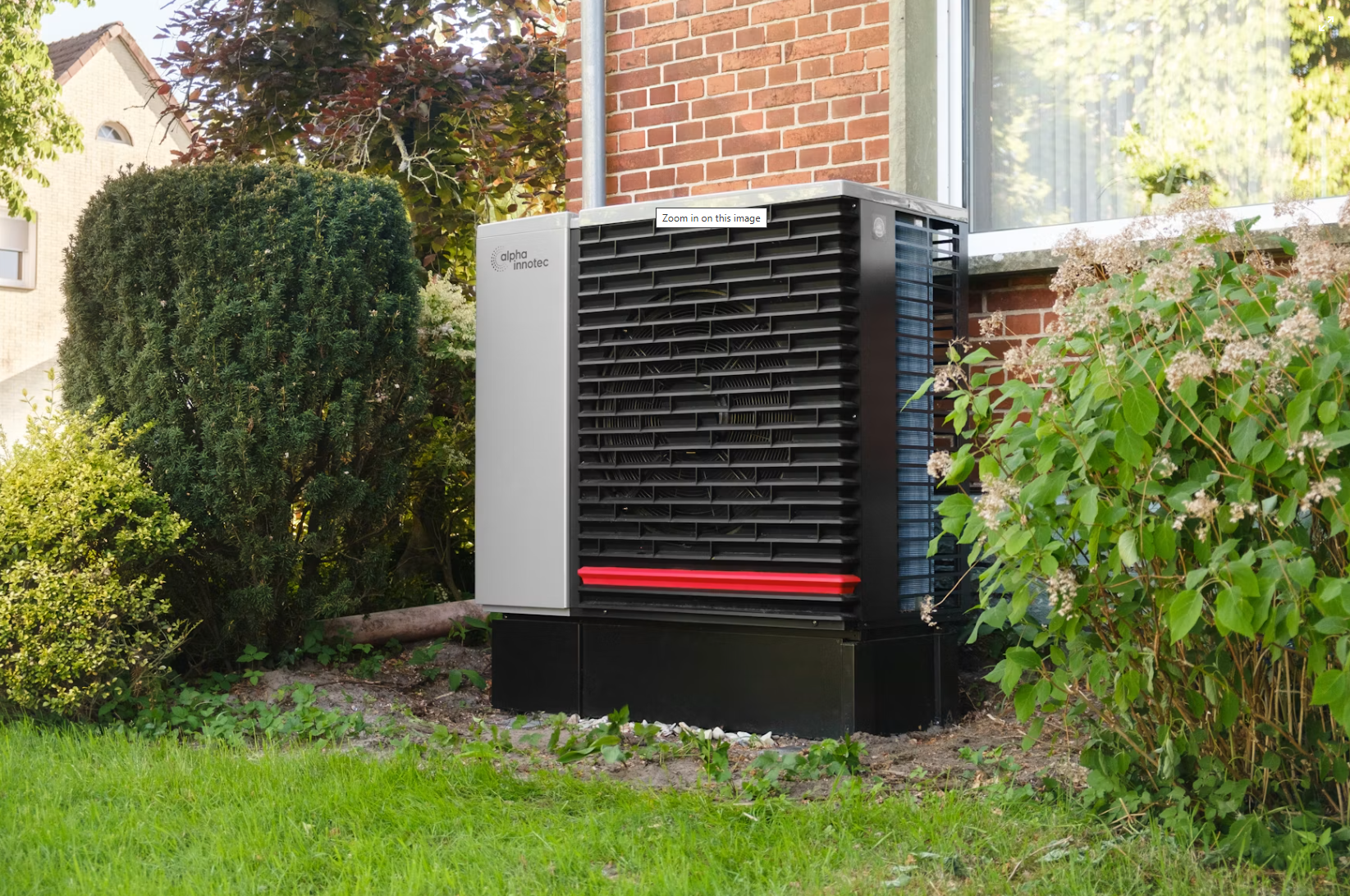
Unlike a furnace, which produces hot combustion air, a heat pump moves heat from outdoor air into your home, even in cold weather. The air coming out of your vents during normal heating operation is warm, but noticeably cooler than the scorching air from a gas furnace. Some homeowners mistake this normal, moderate warmth for a malfunction, especially if they're used to a furnace.
That said, there's a real difference between air that feels "less hot than expected" and air that's genuinely cold or room temperature. If the air coming from your vents feels cold to the touch rather than just mild, something is actually wrong.
Common Causes of a Heat Pump Blowing Truly Cold Air
The System Is in Defrost Mode
In cold, humid weather, heat pumps periodically go into a defrost cycle to melt ice that builds up on the outdoor coil. During this cycle, which typically lasts 5 to 15 minutes, the system temporarily blows cool air indoors while it reverses to defrost outside. This is completely normal and should resolve on its own once the cycle finishes.
Low Refrigerant
Just like with air conditioning, a heat pump relies on refrigerant to move heat. If refrigerant levels are low due to a leak, the system loses its ability to effectively transfer heat, and you'll notice weak, lukewarm, or cold airflow instead of proper heating.
A Reversing Valve Stuck in Cooling Mode
The reversing valve is what allows a heat pump to switch between heating and cooling. If this valve gets stuck, the system can continue running in cooling mode even though your thermostat is calling for heat, which produces exactly the cold-air symptom homeowners describe.
Thermostat Set Incorrectly
This sounds simple, but it happens often, especially on thermostats with an "emergency heat" or "auxiliary heat" setting that's separate from normal heat mode. Double-check that your thermostat is set to "heat" and not accidentally left on a cooling or fan-only setting.
A Failing Compressor
The compressor is what actually moves refrigerant through the system to generate heat transfer. A failing compressor can produce weak or cold airflow, and this is one of the more serious issues on this list, since compressor repairs or replacement are a significant repair.
How to Tell the Difference Between Normal and a Problem
A few quick checks can help you figure out what you're dealing with before calling for service:
- Time it. If cold air lasts only a few minutes and then warms up, it's likely a normal defrost cycle.
- Check the thermostat mode. Confirm it's set to "heat," not "cool," "auto," or "emergency heat" unintentionally.
- Feel the outdoor unit. If it's covered in ice and not defrosting on its own after 20 to 30 minutes, that points to a genuine issue rather than a normal cycle.
- Listen for the reversing valve. A clicking or hissing sound when the system should be switching modes can indicate a valve problem.
If the cold air persists well beyond a normal defrost cycle, or if you notice ice buildup that doesn't clear, low airflow, or unusual noises, it's time to call for a diagnosis rather than waiting it out.
When to Call a Professional
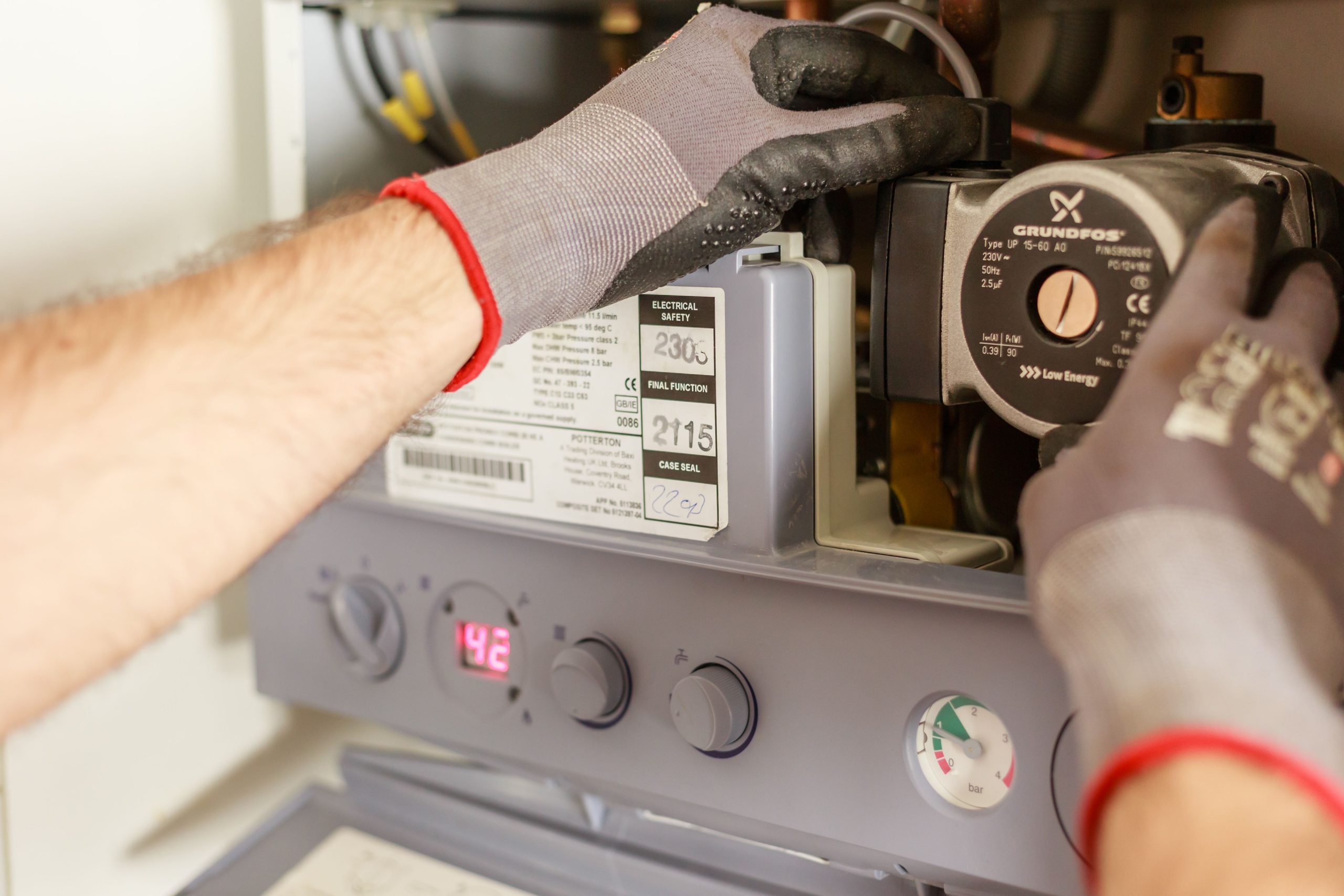
Refrigerant leaks, reversing valve problems, and compressor issues all require licensed diagnostic tools and repair. None of these are safe or practical DIY fixes. Our heating repair team can pinpoint exactly which of these is affecting your system and get proper heat restored. If your heat pump seems to be running constantly without ever fully warming the house, it may also be worth exploring whether the system is correctly sized for your home through our heating installation team. And if you're dealing with the opposite seasonal problem come summer, our guide on why AC units freeze up covers that scenario in detail.
Frequently Asked Questions
Is it normal for a heat pump to blow slightly cool air compared to a furnace?
Yes. Heat pumps produce warm air, typically in the 90 to 105°F range, which feels noticeably milder than the very hot air from a gas furnace. This is a normal characteristic of how heat pumps work, not a malfunction.
How long does a heat pump defrost cycle usually last?
Most defrost cycles last between 5 and 15 minutes. If cold air continues well beyond that, or the cycle repeats excessively, it's worth having a technician take a look.
Can I fix a stuck reversing valve myself?
No. The reversing valve is an internal refrigerant component that requires specialized tools and licensing to service safely. This is a repair for a professional technician, not a DIY project.
Why does my heat pump seem to run constantly without warming the house?
This can indicate low refrigerant, a sizing mismatch between the system and your home, or a failing component reducing efficiency. A professional inspection can identify the specific cause.
Heat pump blowing cold air and not warming up like it should? Our heating repair team serves Brevard and the surrounding Western North Carolina area. Contact us and we'll get to the actual cause.

4 Responses